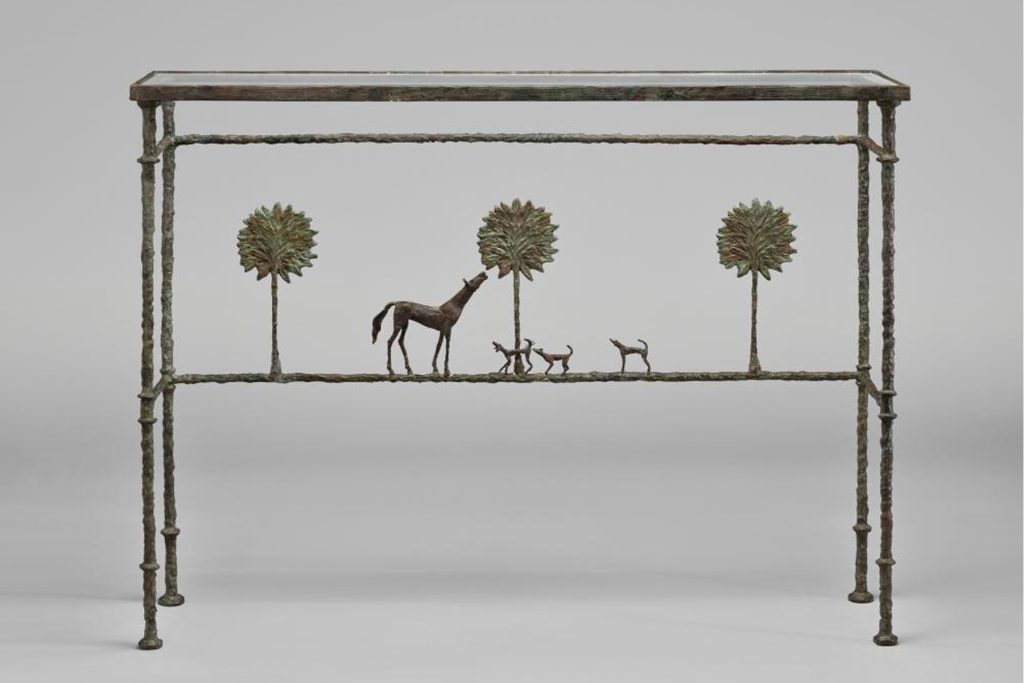
Bronze is one of the oldest artistic materials in human history, yet it remains inseparable from modern sculpture. From the artefacts of ancient civilisations in Mesopotamia, Egypt, and China to it’s evolution as a material for modernist sculpture, bronze has persisted as a medium of permanence, experimentation, and artistic expression. Forged from copper and tin through some of humanity’s earliest metallurgical discoveries, bronze endures for its unique ability to capture movement, texture, and form.
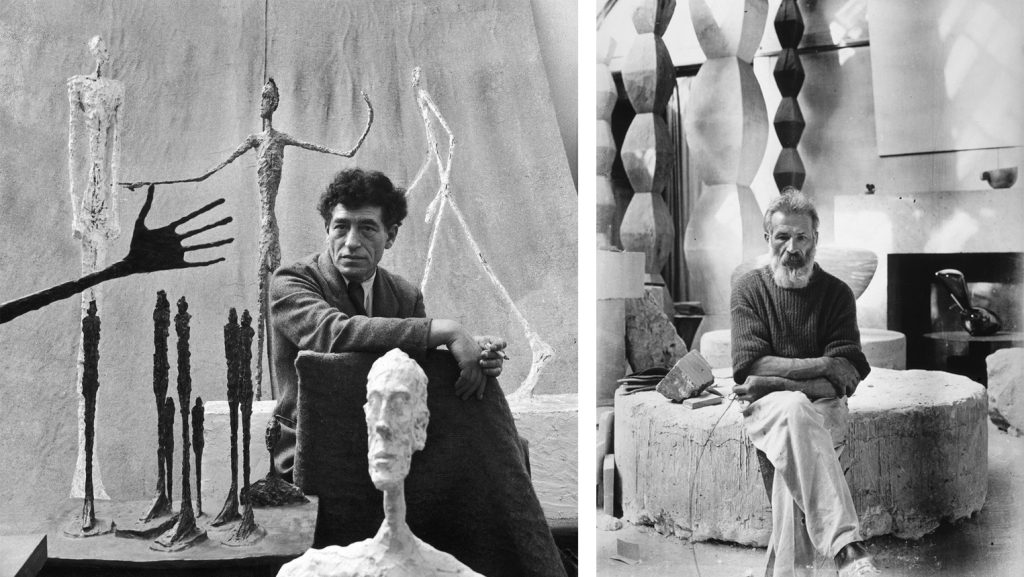
Two sculptors in their studios: Giacometti and Brancusi.
Bronze has always occupied space with unusual authority. Unlike painting, sculpture demands a bodily relationship: it is encountered through weight, scale, texture and light. Modern sculptors such as Brâncuși and Giacometti understood this deeply, reducing forms to their essential contours while allowing material itself to become expressive. Bronze was no longer simply a medium for representation, but a surface capable of holding touch, reflection, shadow and human experience.
This quality became central to modern sculpture. While much of twentieth-century art privileged painting as the site of abstraction and spiritual expression, artists Brâncuși and Giacometti demonstrated that material itself could become abstract, expressive and emotionally resonant. Working in bronze, marble and wood, Brâncuși reduced forms to their essential contours, allowing shape and surface to communicate feeling.
Bronze became more than a medium for representation; it became a vessel for reflection, touch and memory
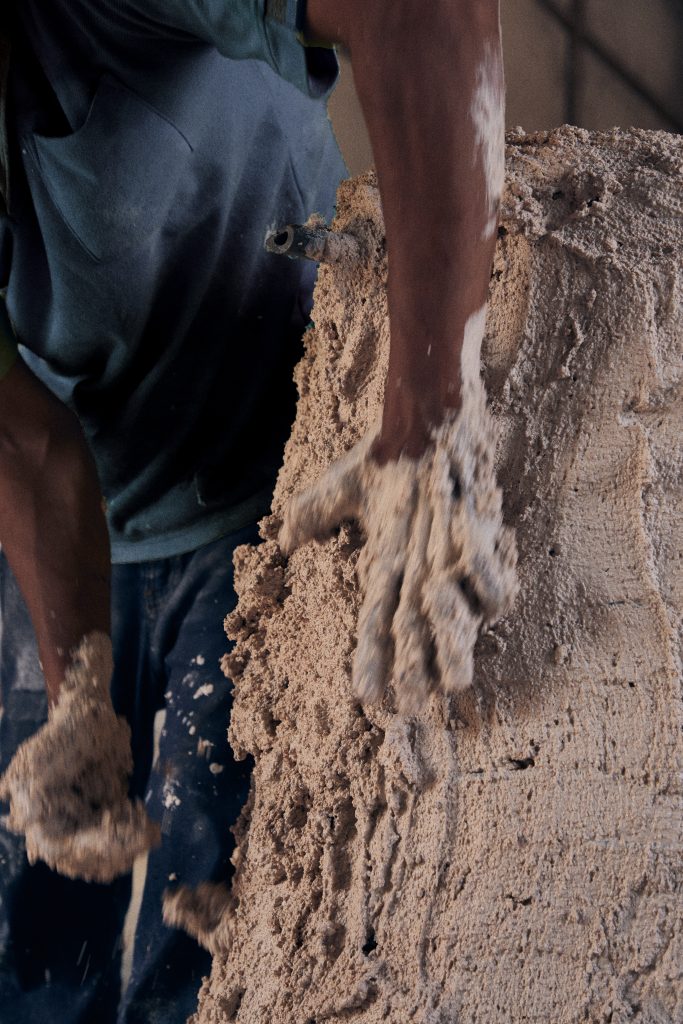
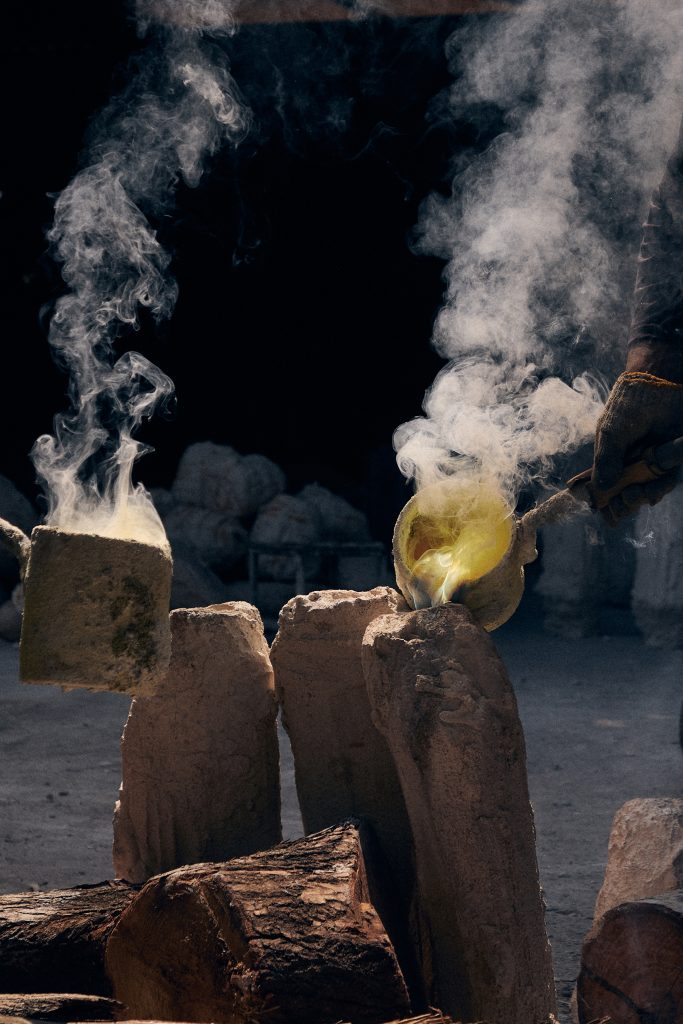
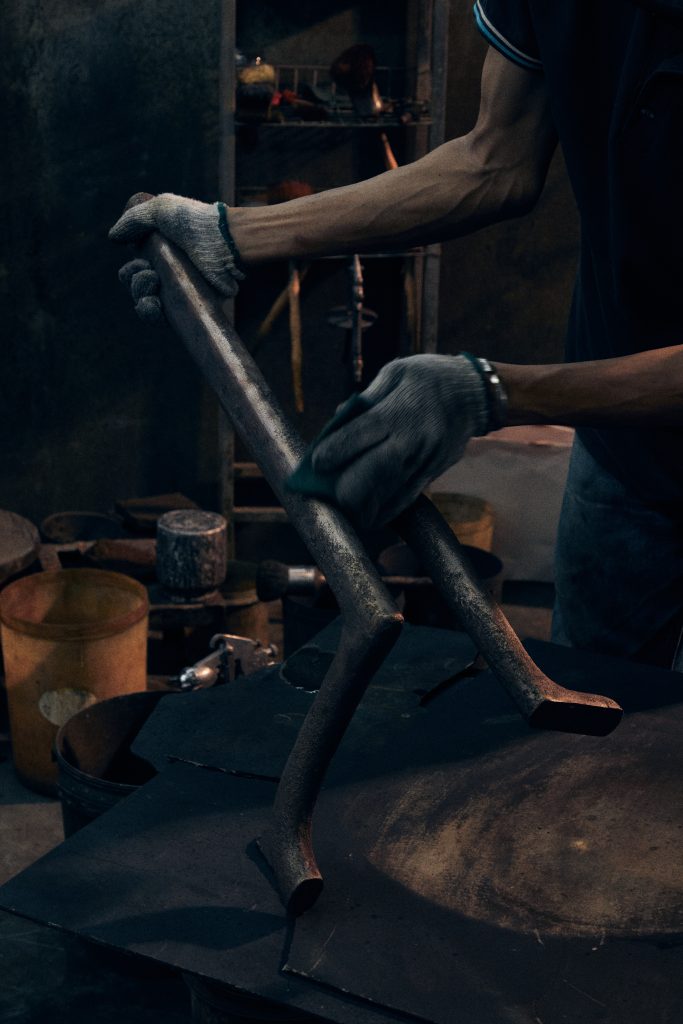
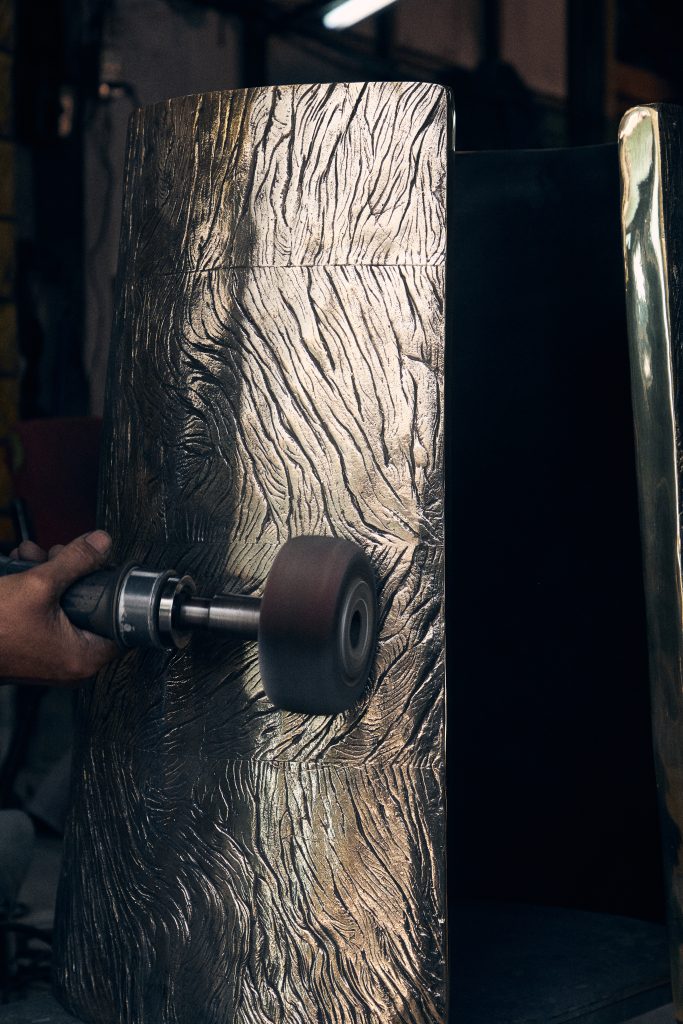
a glimpse into the lost wax process
This tactile relationship begins in the casting process itself. Traditional lost-wax casting, used for centuries across Asia and Europe, relies upon intensely physical stages of making: clay cores shaped by hand, wax carved and reworked for detail, molten bronze poured at extreme heat. The process allows bronze to preserve both precision and imperfection, recording the slightest trace of pressure, gesture and touch long after cooling. Casting therefore becomes a form of imprinting, preserving the memory of its own making within the finished object.
Modern sculptors recognised this expressive potential within bronze itself. In works such as Danaïde, Brâncuși reduced the human figure to elemental forms, using polished bronze to emphasise contour, balance and sculptural weight over descriptive detail. The surface appears almost purified of texture, allowing form itself to become expressive. This language of reduction and classical simplicity would profoundly influence modern sculpture and anticipate aspects of Art Deco design.
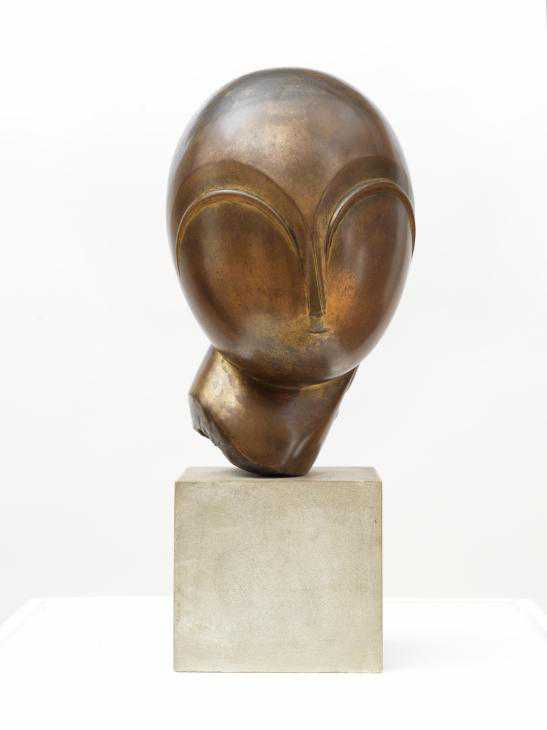
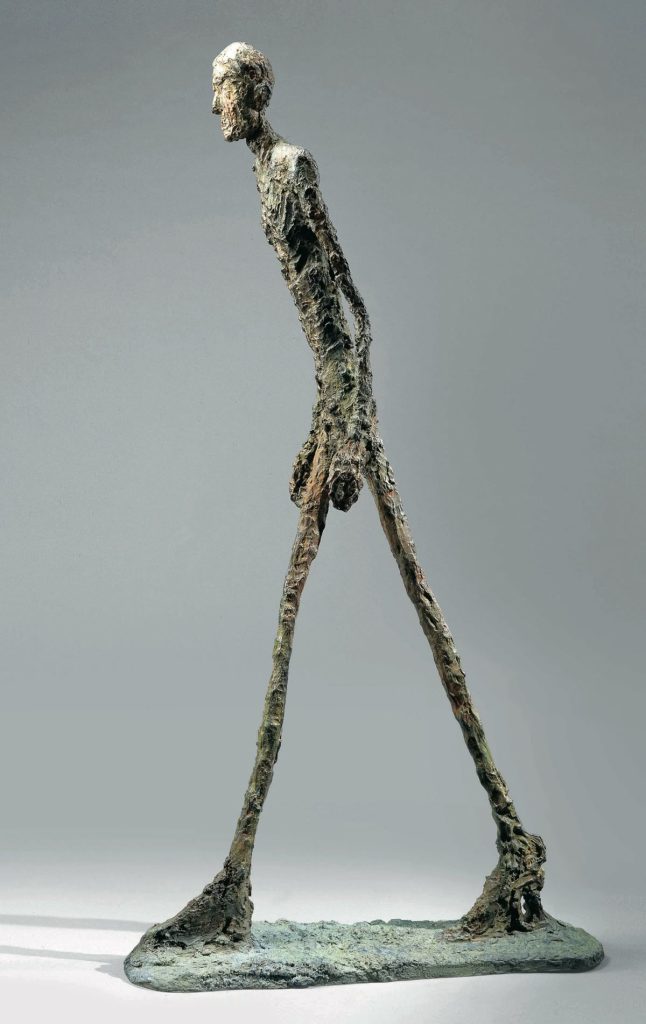
Danaïde (1918), a piece by Brancusi, followed by Giacometti’s Walking Man (1960)
Alberto Giacometti approached bronze differently. Rather than concealing the material’s surface, he emphasised its instability and texture through elongated, attenuated figures that appear eroded by time. Rough edges, scored surfaces and fragile silhouettes retain the evidence of modelling and casting, making bronze feel unusually raw and immediate.
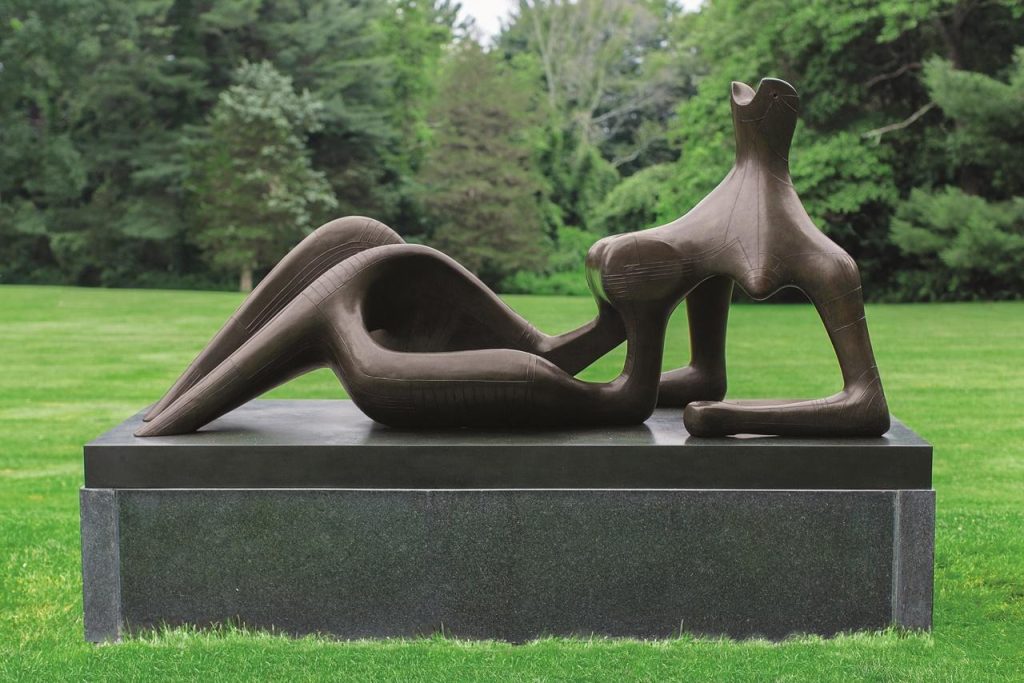
Henry Moore and Barbara Hepworth simplified and abstracted the body into rounded, organic forms, choosing to ground their sculptures in the environment. More contemporary in their approach Moore and Hepworth treated space as something positive and sculptural. Hepworth created holes and pierced openings in her work that are carefully integrated into the composition, while Moore used voids and hollows in relation to mass and landscape. Their work belongs in the environment and feels closely connected to nature.
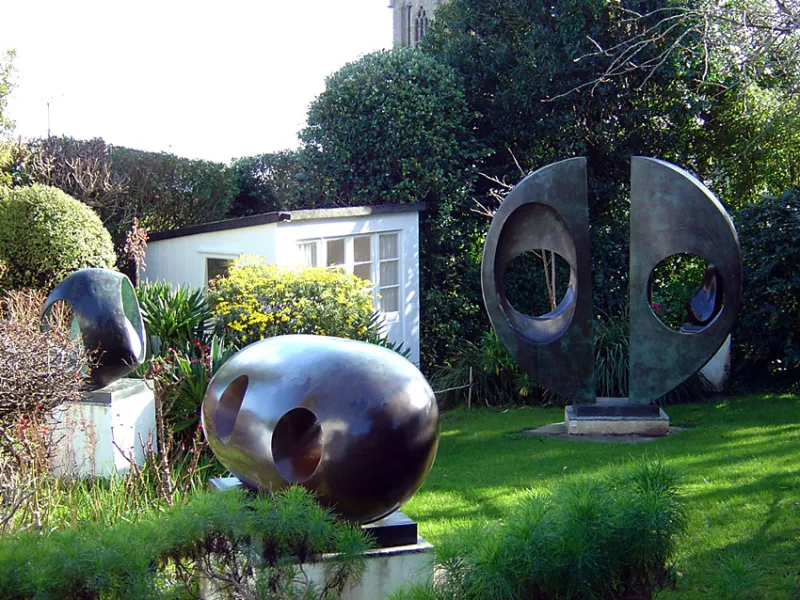
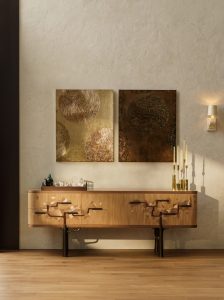
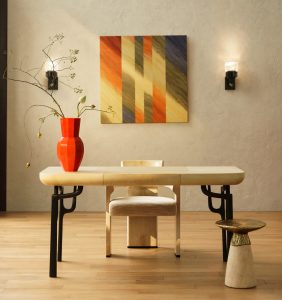
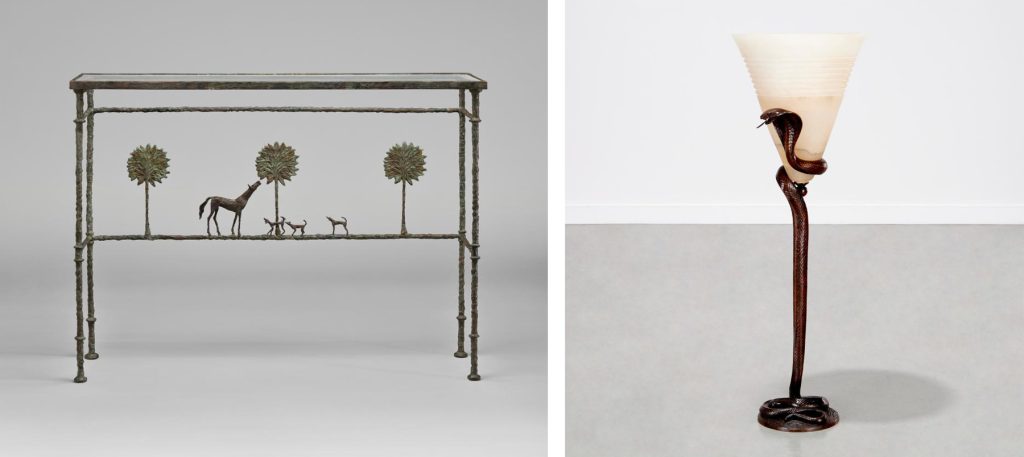
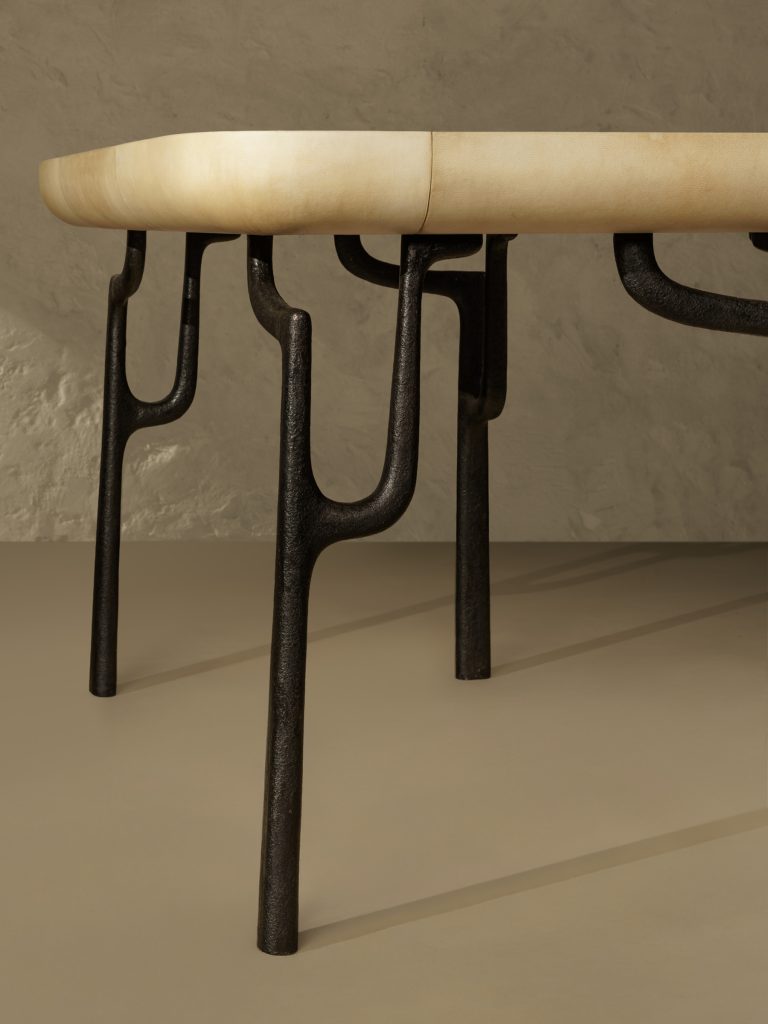
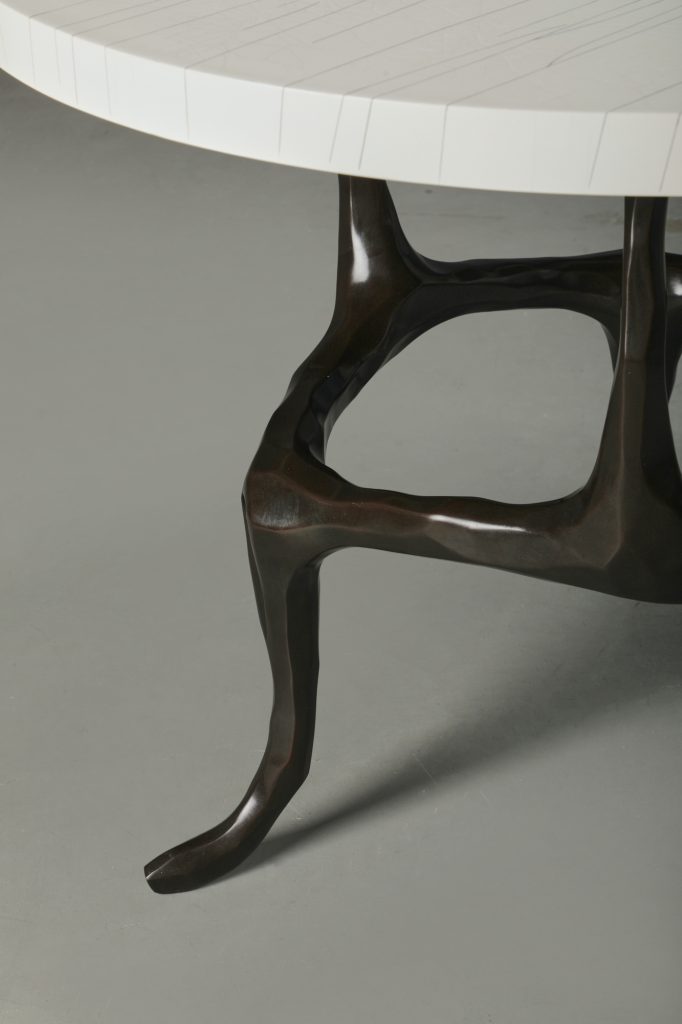
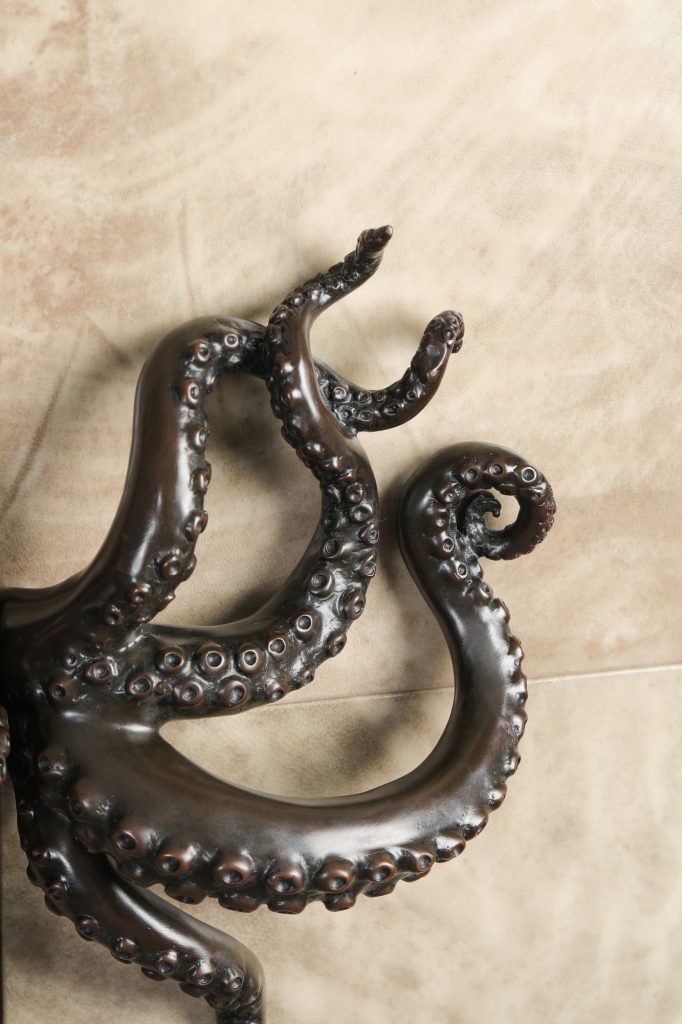
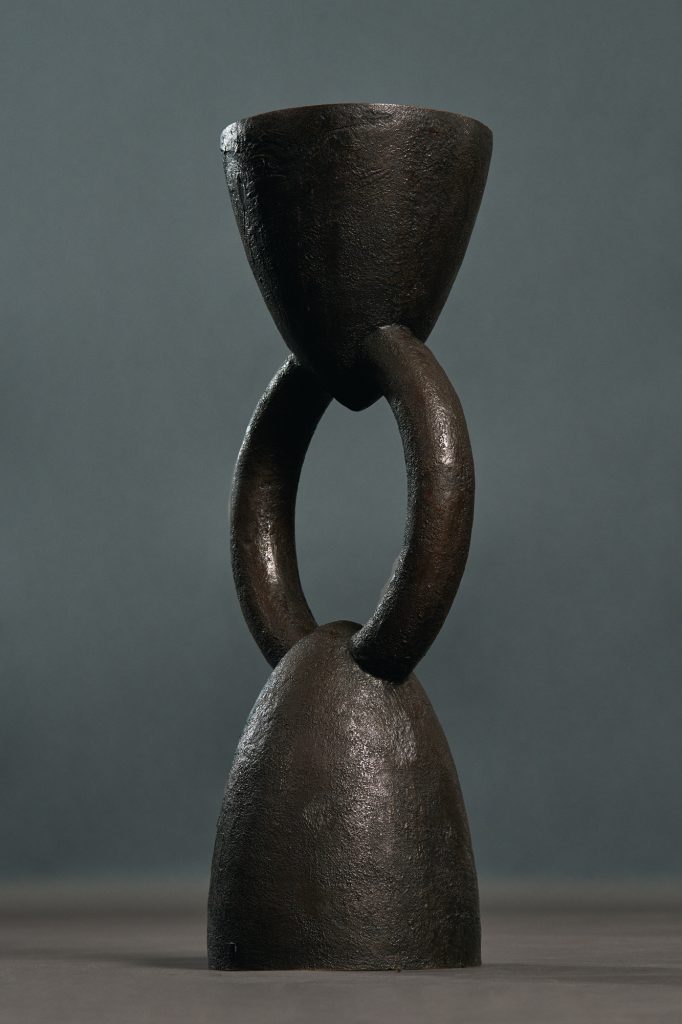
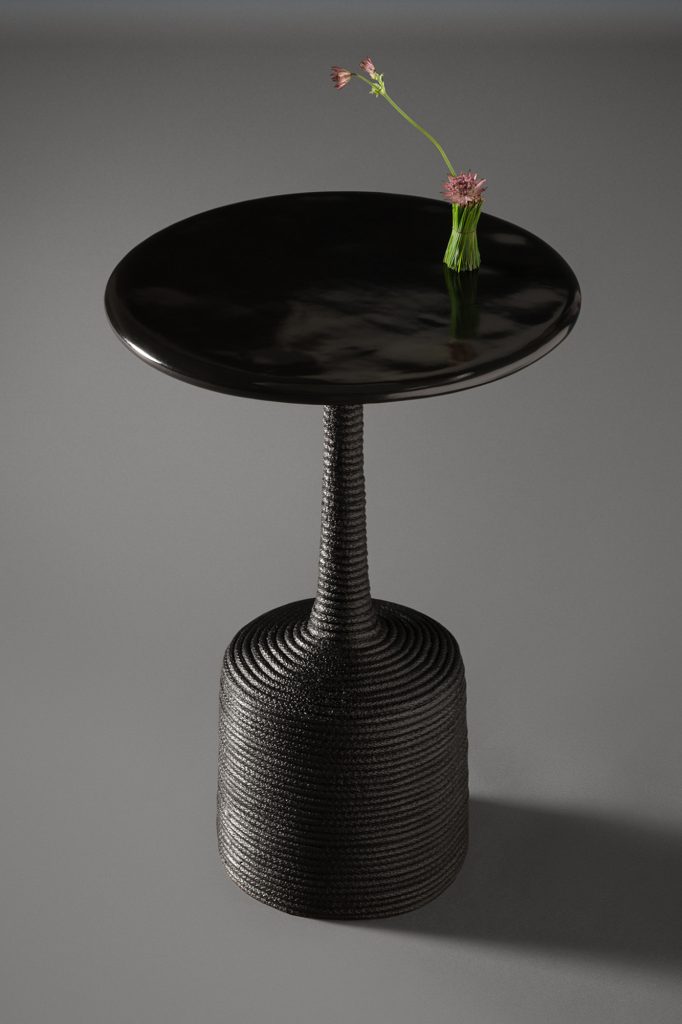
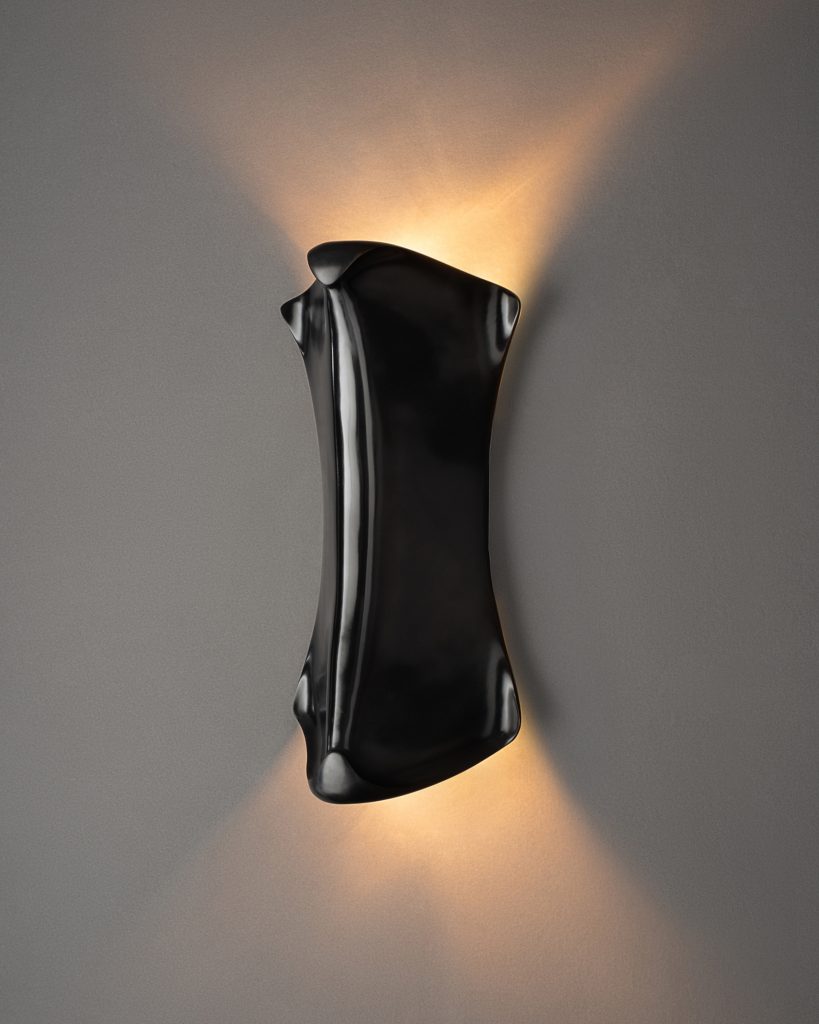
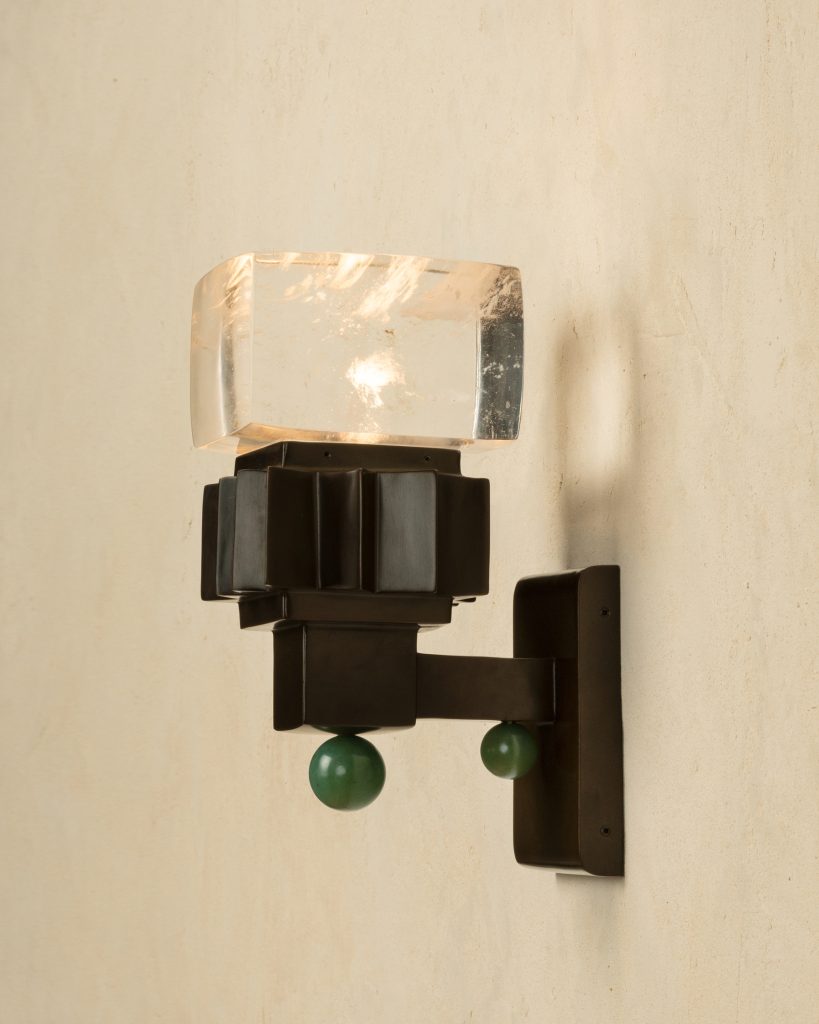
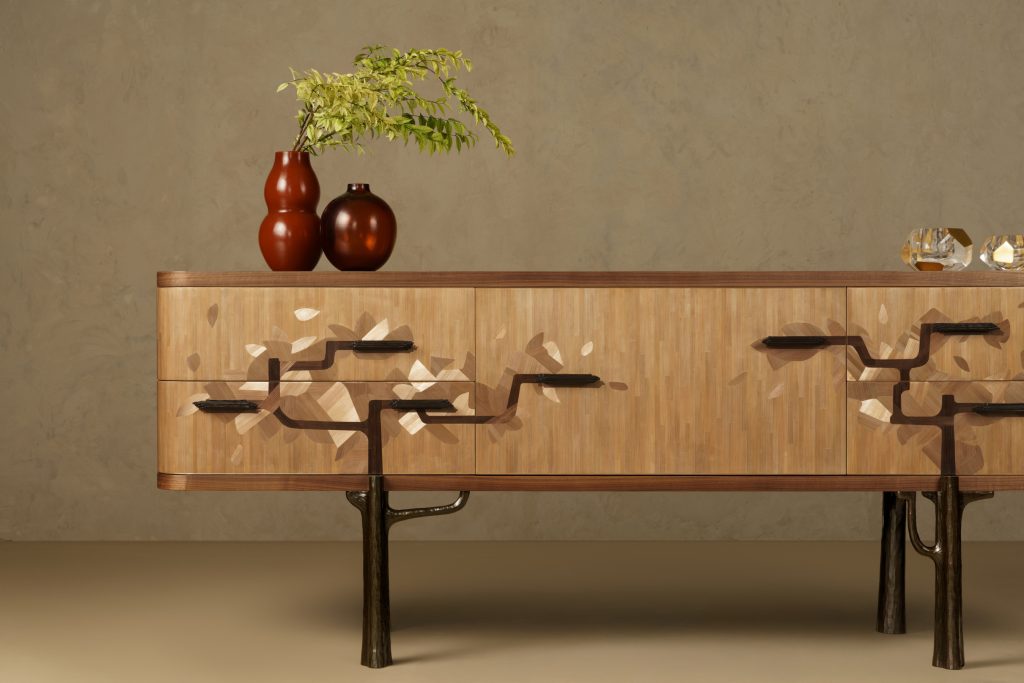
These modern artists helped establish bronze as a defining material of modern sculpture, valued for its capacity to express monumental ideas as well as physical and psychological intensity. The modernist understanding of bronze extended beyond sculpture alone. As artists increasingly reduced form to contour, surface and material presence, the boundaries between sculpture, object and design became less fixed. Bronze moved naturally into interiors and furniture as a material capable of shaping space as a supportive structure, and becoming an integral part of the design and functionality of the piece.
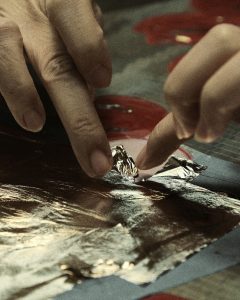
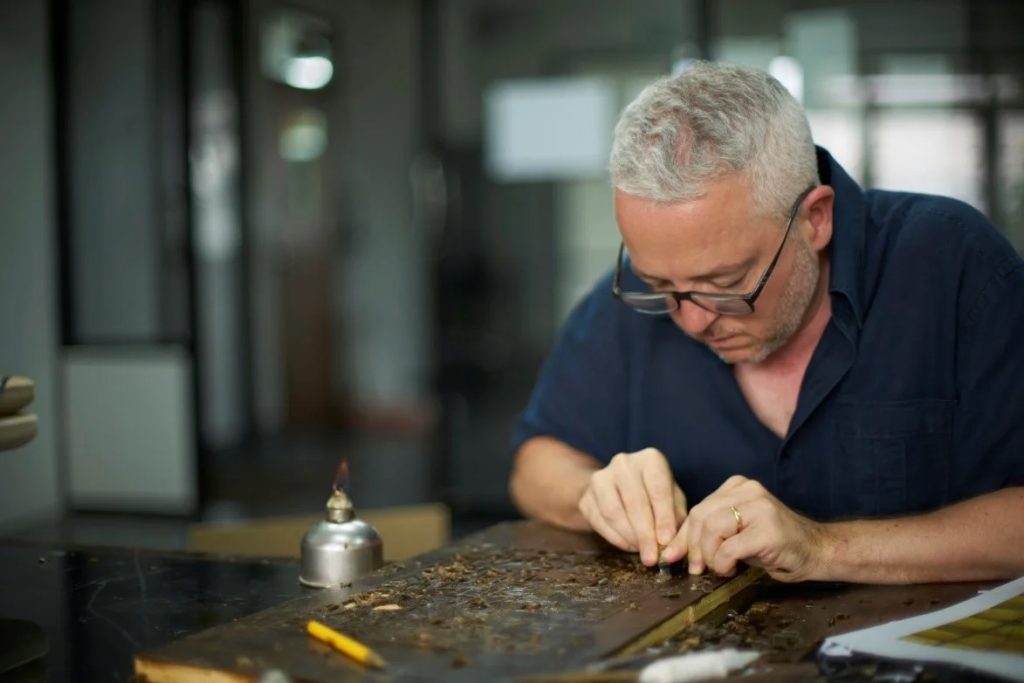
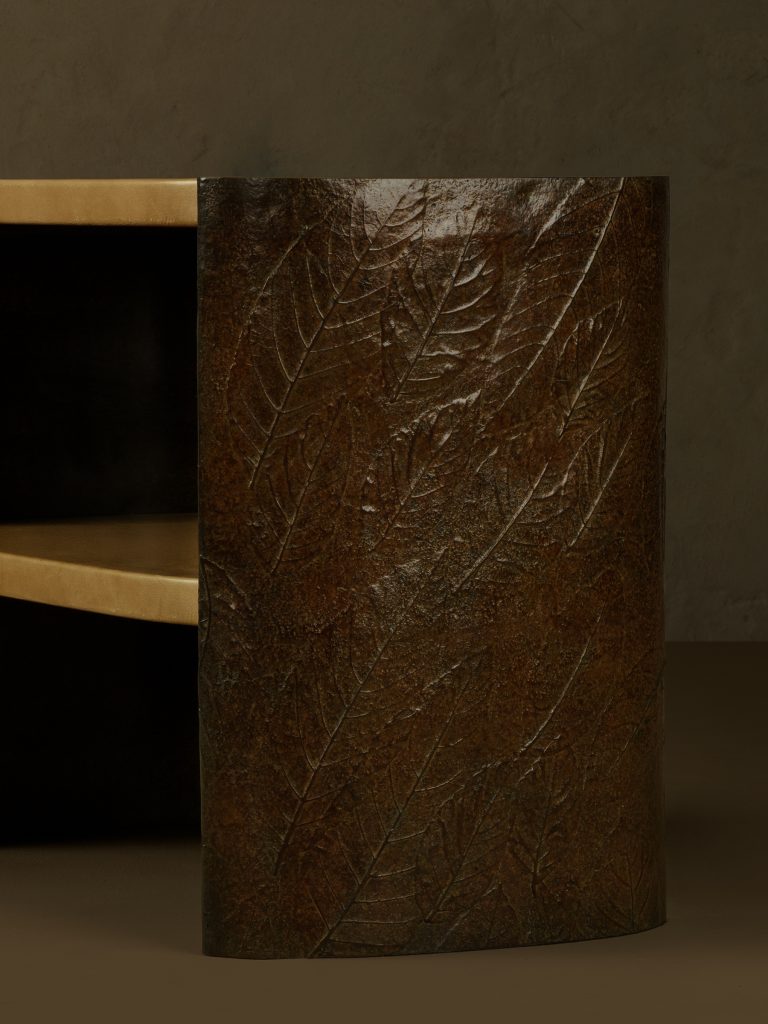
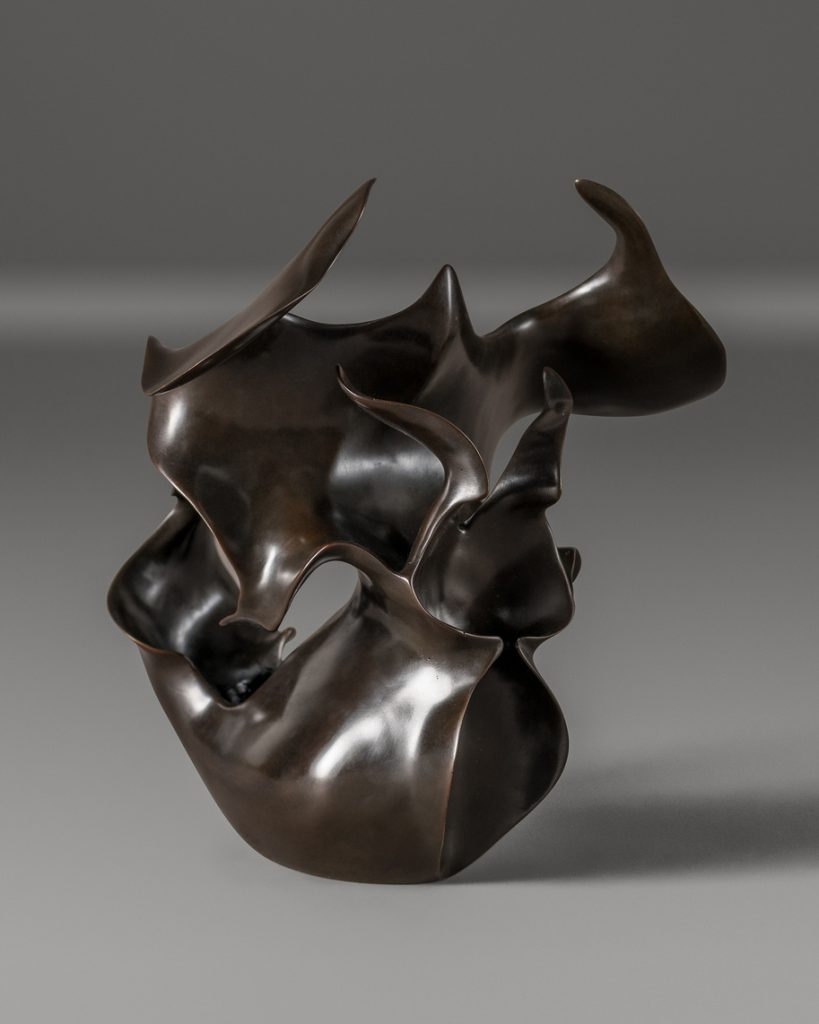
Techniques such as lost-wax casting and intaglio continued the relationship between touch and permanence. Carved wax preserves the pressure of the artisan’s hand; tree bark cast into bronze retains the imprint of organic texture; polished surfaces absorb and reflect light and soften as they age. Bronze records process and time unusually well. Its surface carries both precision and erosion, refinement and irregularity.
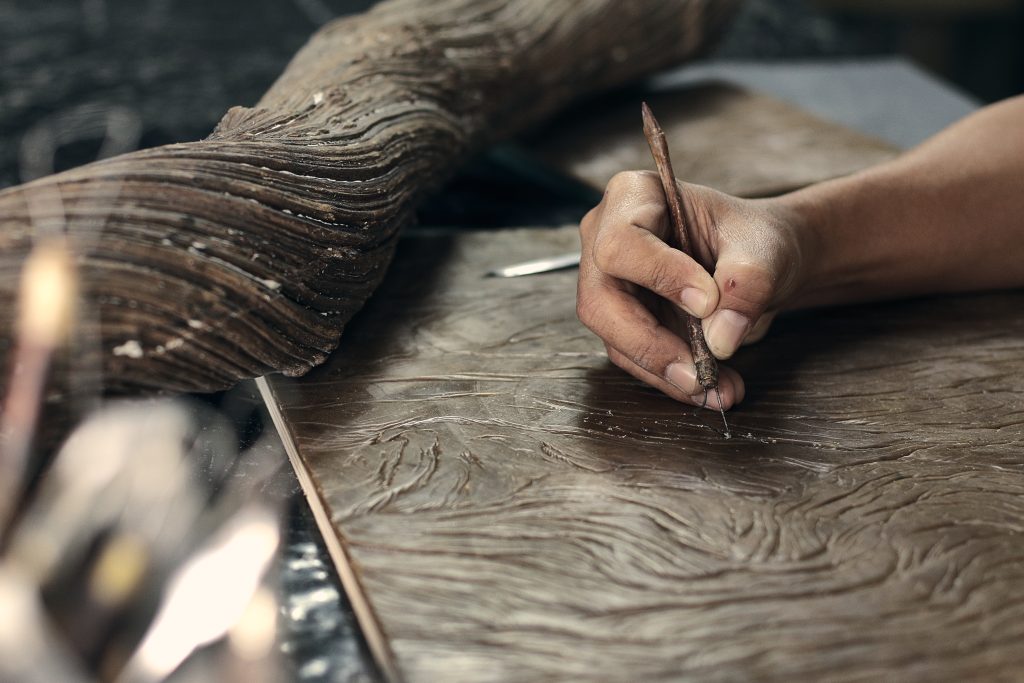
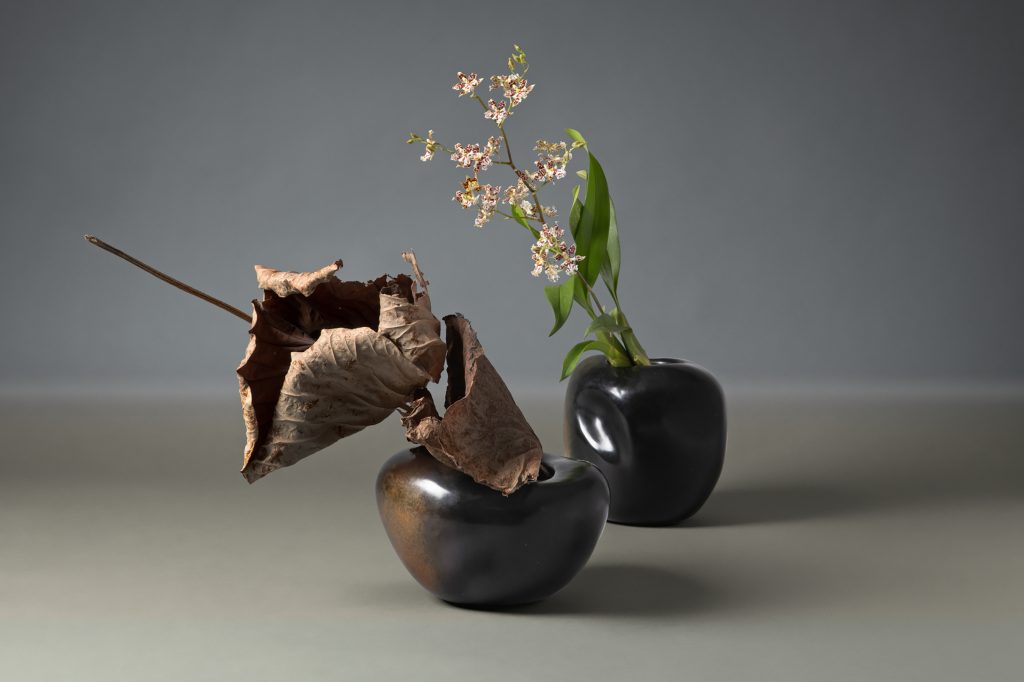
This enduring quality explains bronze’s continued relevance across centuries of art and design. The same material once used for ritual vessels, portrait busts and monumental sculpture remains compelling because it changes visibly over time. Oxidation, handling and atmosphere gradually alter the surface, allowing patina to become part of the object itself. Bronze carries a sense of duration: the memory of fire, touch and time held within material form.
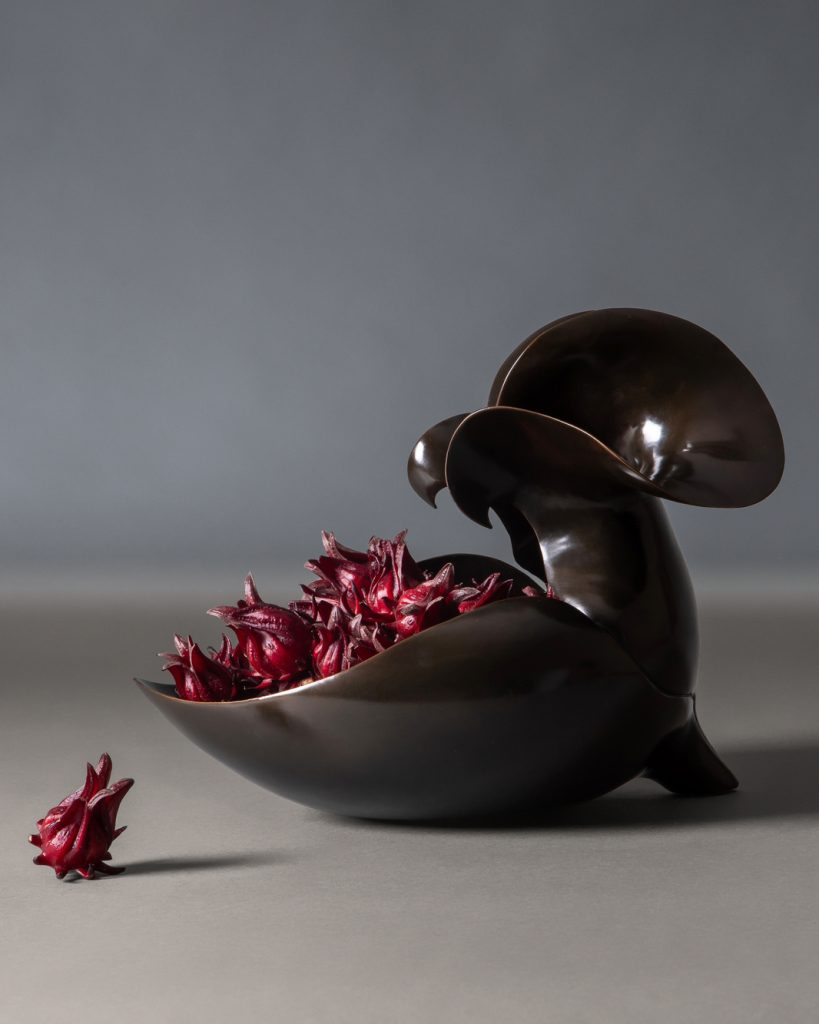
In this way, bronze remains both ancient and modern. Its permanence is never static. Whether shaped into sculpture, lighting or furniture, bronze continues to occupy space with a distinct physical authority – at once functional and expressive, industrial and intimate, enduring and alive.
Author : Lauren Lamont