An Interview with Alexander Lamont and Alberto Velez – By Lauren Lamont
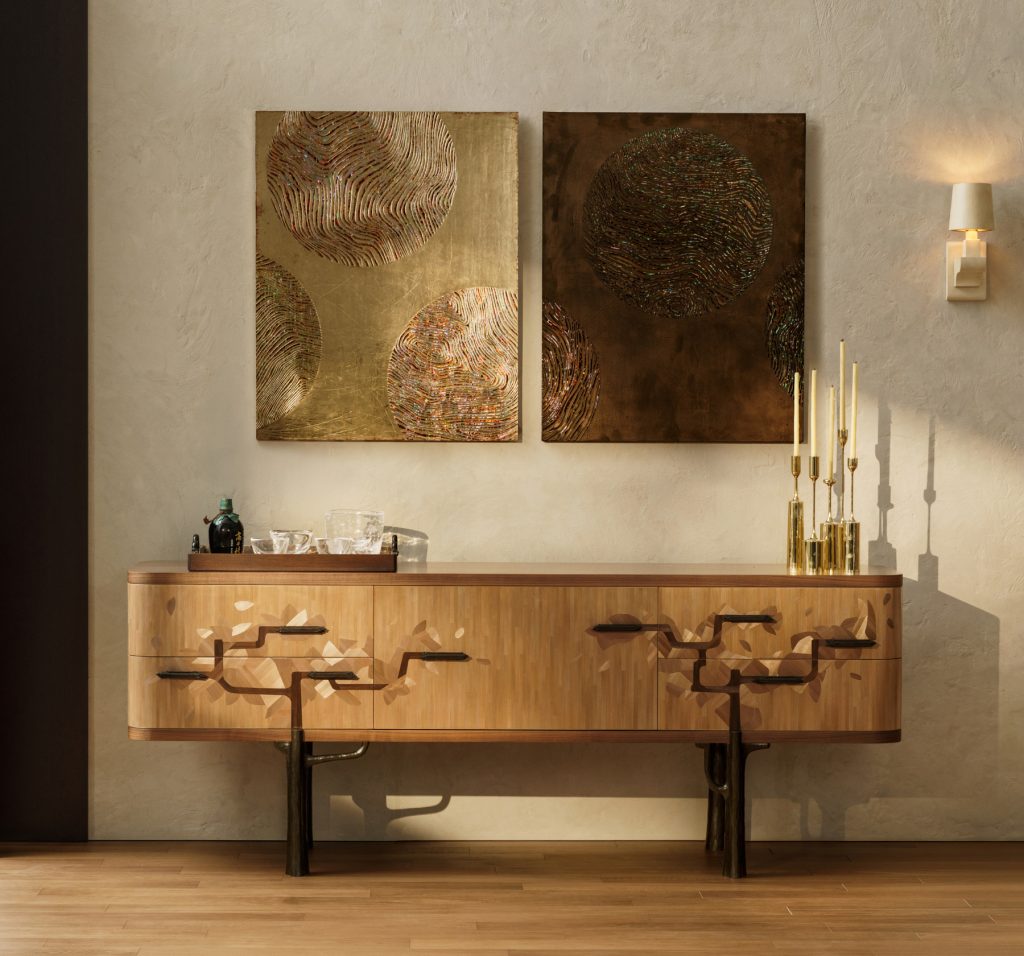
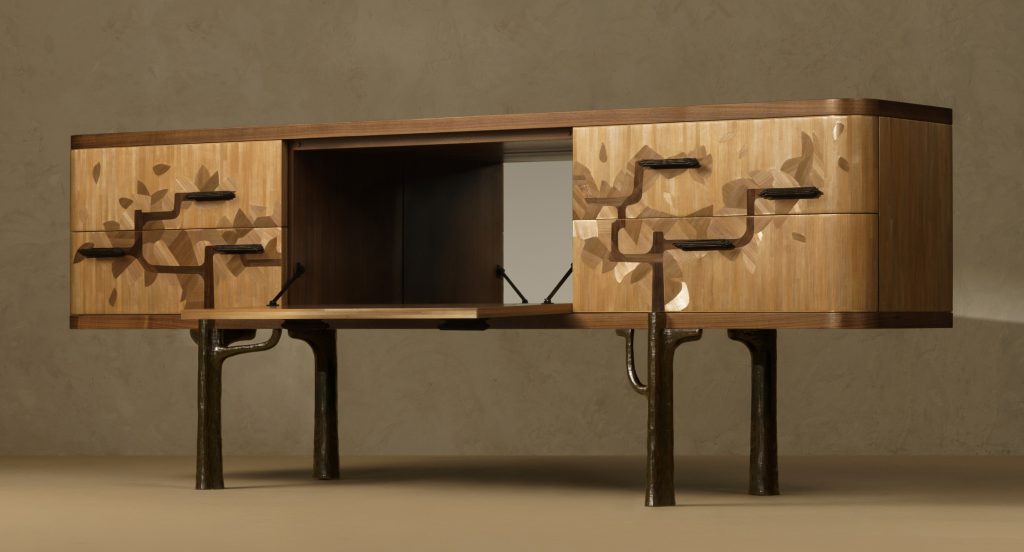
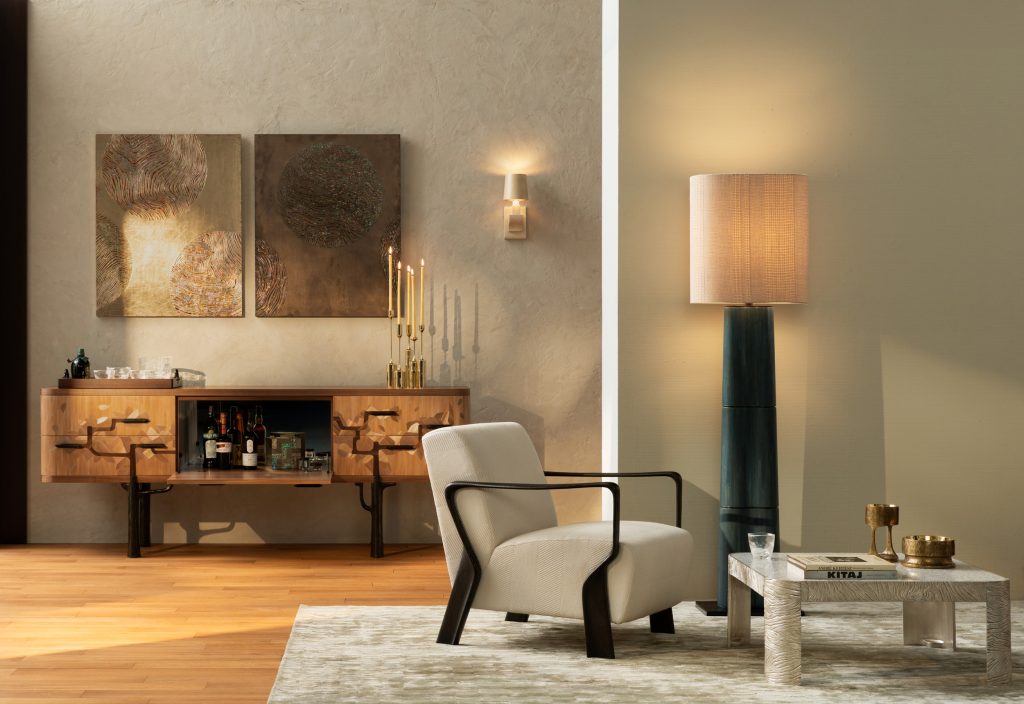
The Arbor Credenza took root in the timeless nature of the tree. An autumn walk along Lake Michigan was the inspiration, while exquisite materials applied with high craft brought the Arbor Credenza to life. The result is the star piece in Alexander Lamont’s Modern Scholar Collection launched this year.
I sat down with designers Alberto Velez and Alexander Lamont to trace the design’s inception, the creative process that followed, and the many influences drawn upon along the way. We discussed everything from the origins of the design, the practicalities of the design collaboration to the originality, material and craft behind the piece, aspects that are rarely discussed so openly by designers of this caliber.
The influences that carry through to the Credenza’s finer details are those that helped earn it a nomination and shortlisting for Best Product Design at the 2026 Créateurs Design Awards in Paris.
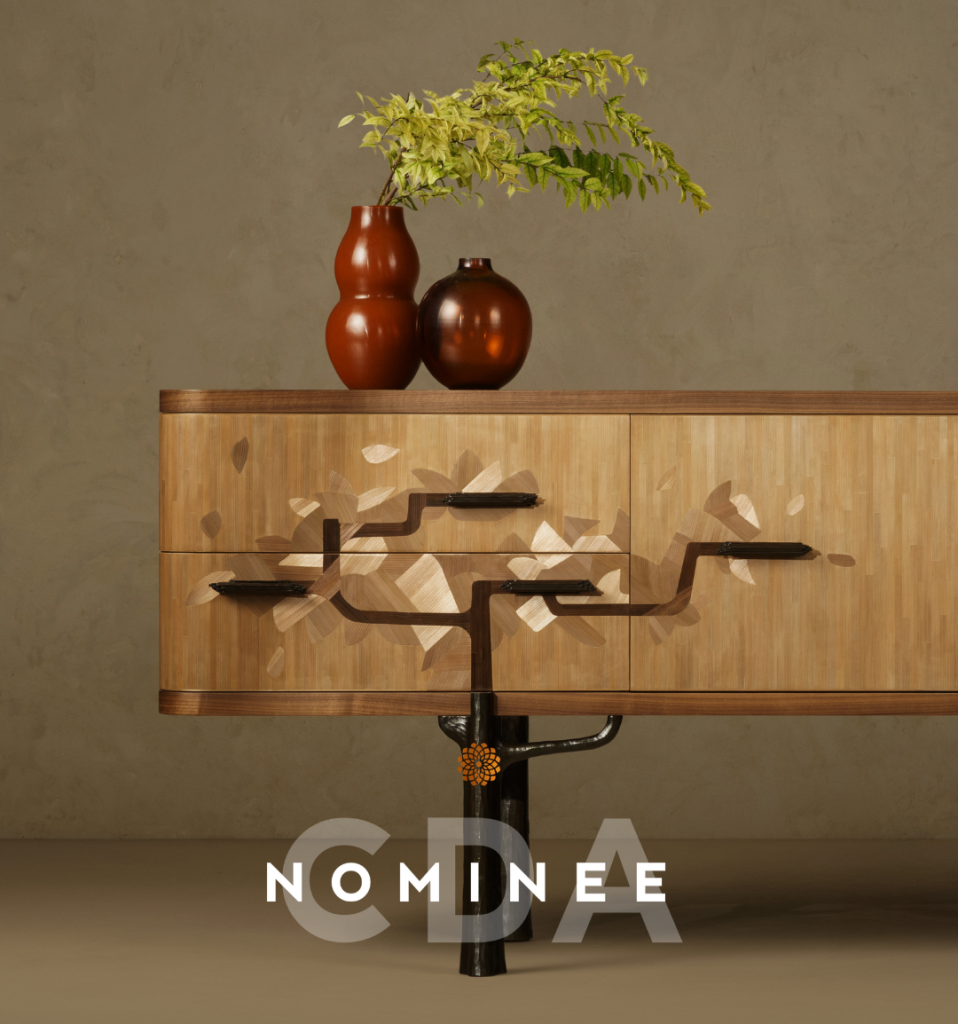
Where did the idea for the Arbor Credenza begin?
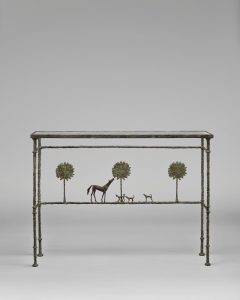
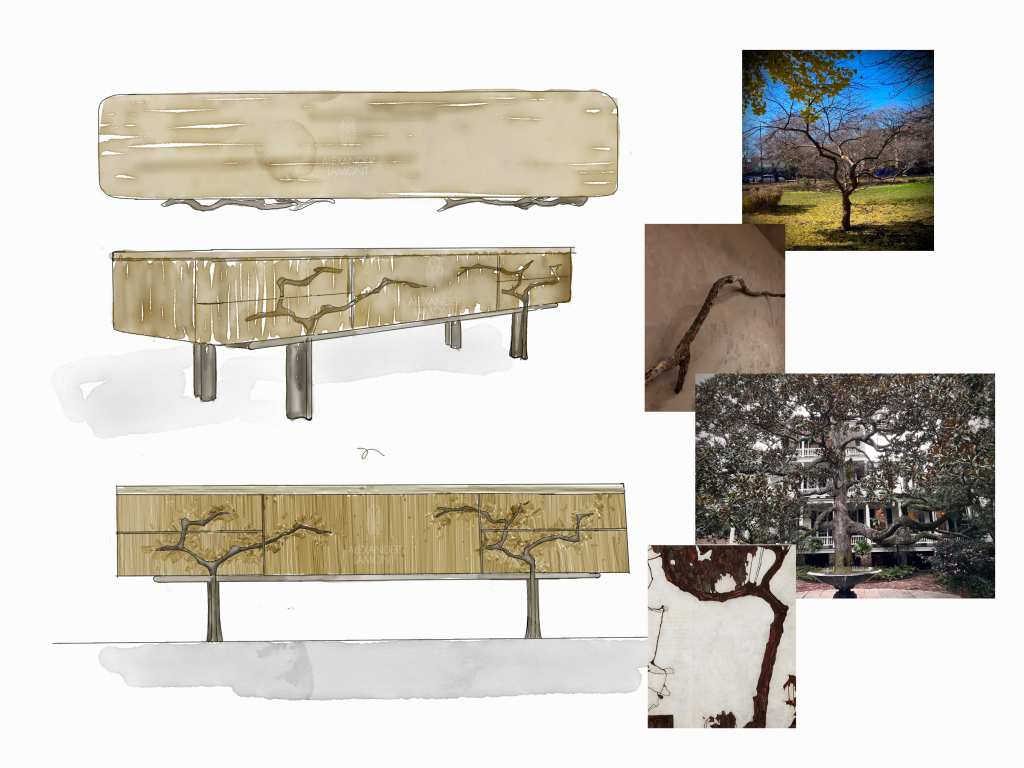
Alberto: I was walking with my mother in Chicago, taking photographs along the lake. Later, looking back through them, I noticed a tree we’d talked about, and it struck me: my mother and I share this fascination with trees, going back to my childhood among huge, majestic trees. The question became: how do you transfer the idea of a tree onto a piece of furniture in a way that’s original? I started with a simple thought: what if a cabinet is supported on trees?
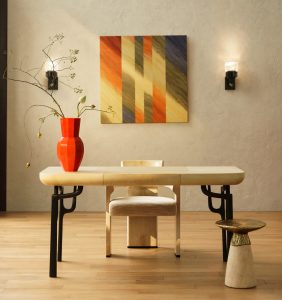
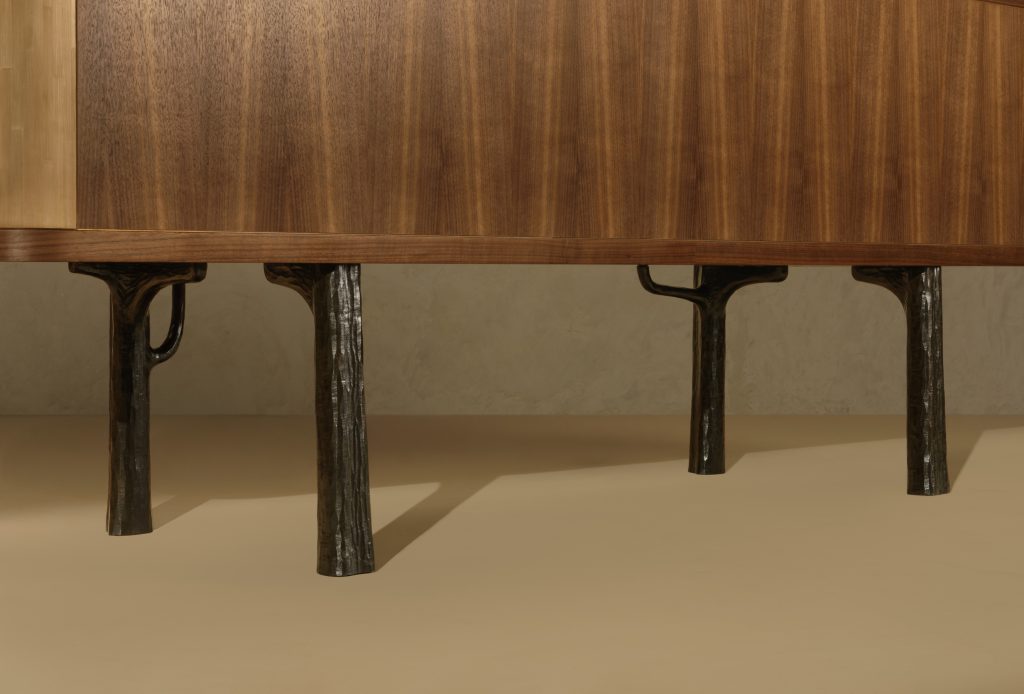
Alexander: We liked the idea of raising something up and seeing the space beneath it. My years working with Chinese furniture were part of this idea: the raising of platforms—the wine table, the painting table—the joinery instead of nails and screws, legs that seem to branch just before they meet a tabletop. As soon as I saw Alberto’s design, I felt it had wonderful proportion and strength.
Alberto: Early-20th-century Chinese furniture does a beautiful job of transitioning from leg to surface. That’s always shaped my thinking. The tree became the perfect vehicle to explore that transition, and to ask: how do you let it continue into the cabinet, not just stop?
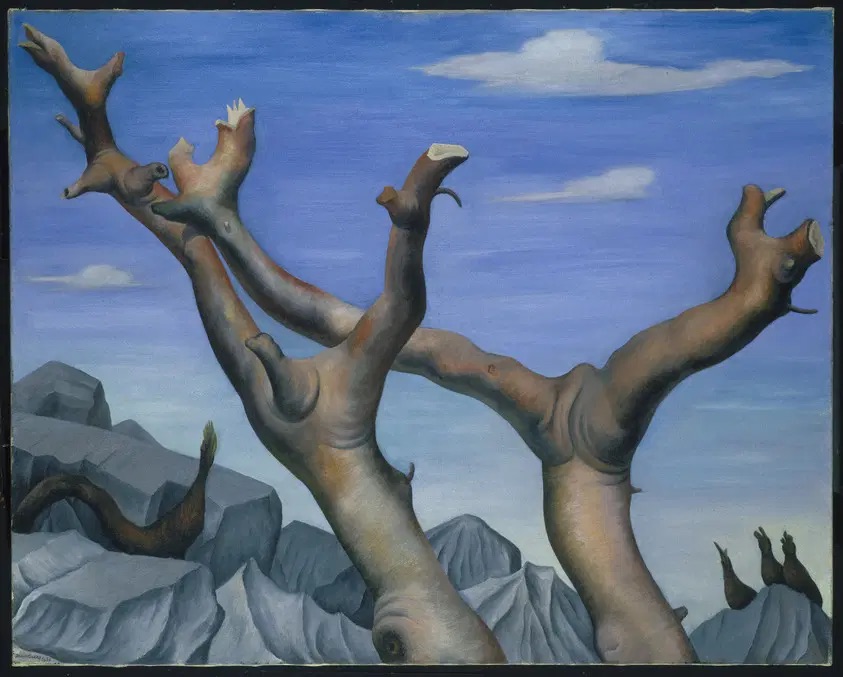
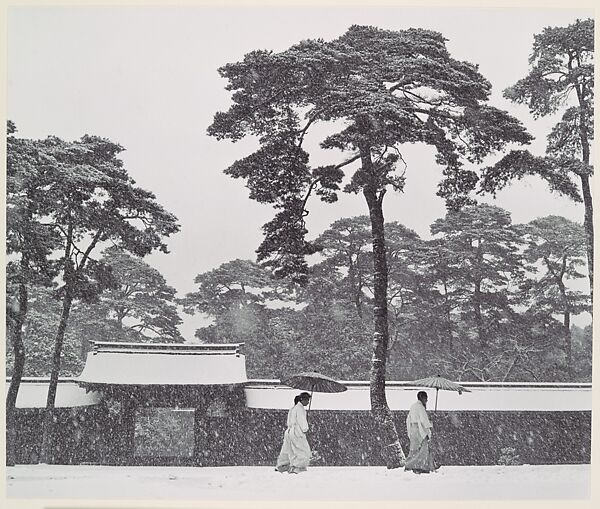
How did the design evolve also with the choice of materials?
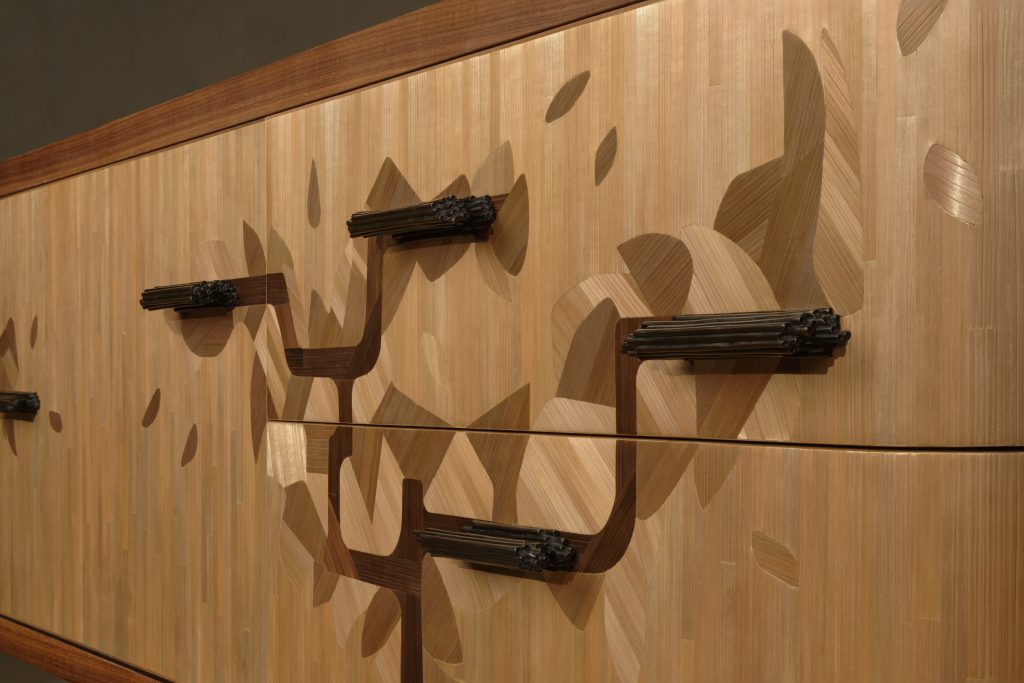
Alexander: We wanted natural, quiet tones, not high contrast: a dark bronze that transitions into the straw, so the leg seems to continue upward rather than stop at the base. We tried several veneers before settling on walnut, which sat well with the straw’s soft, burnished-metal quality.
Alberto: With this piece, I wanted to be literal, to actually draw a tree rather than abstract one. Design today is obsessed with abstraction and originality for its own sake; it felt refreshing to depict something everyone can relate to, then abstract it just slightly as it meets the straw, giving it an Asian-modern feeling mixed with the graceful chaos of scattered leaves.
Alexander: That ties into the piece’s place in the Modern Scholar Collection: the idea of the Ming-dynasty scholar’s studio, where nature, seasons and craft met through scholar’s rocks, bonsai, and a controlled bringing of the natural world indoors.
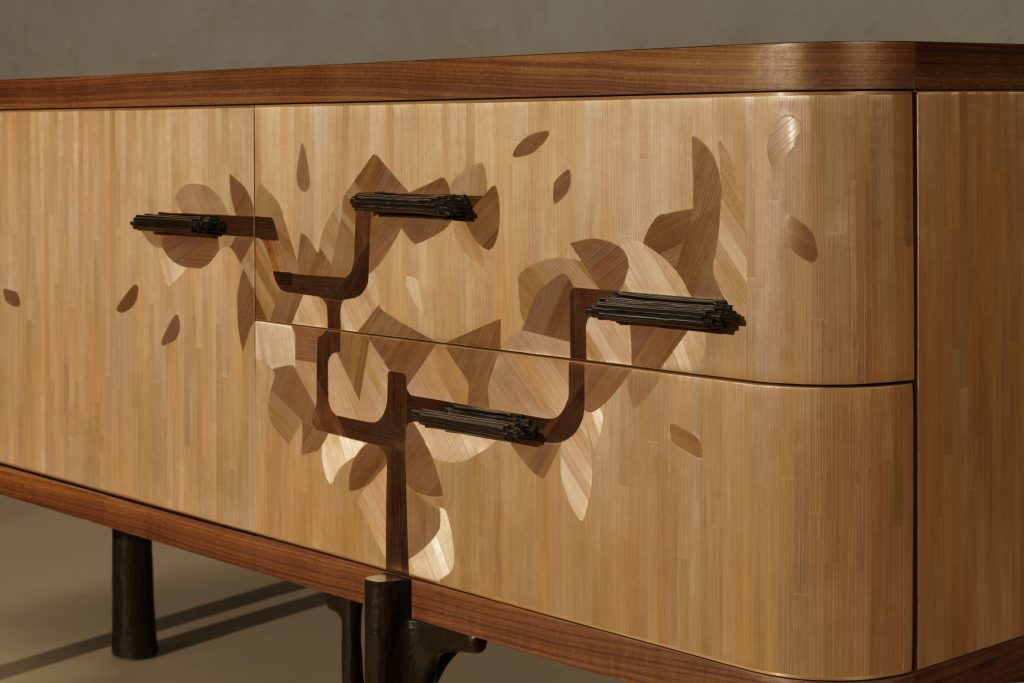
How did the collaboration actually work, given the distance between you?
Alexander: Alberto is thirteen time zones and nearly nine thousand miles away, so the process is challenging. But his drawings arrive with a painterly quality. They give you the feeling of the piece, not just technical views. We move into technical drawings from there, and questions come up on the workshop floor: how the bronze feels, where the straw meets the door, connecting points. He trusts us to bring the essential spirit to life.
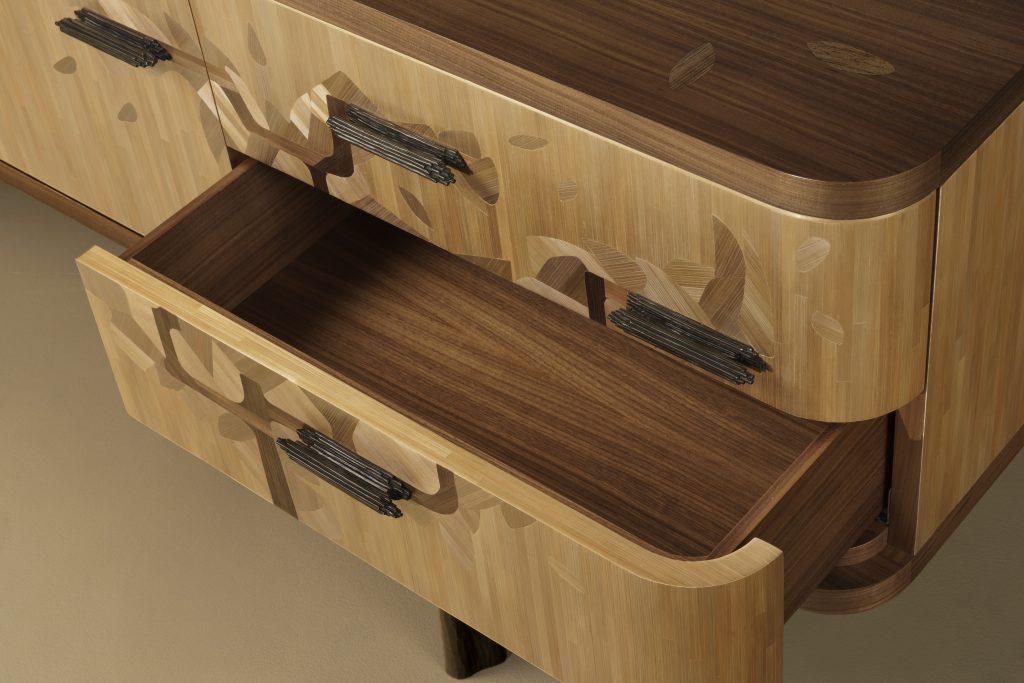
Alberto: Some of the best decisions came from those initial conversations, the handles, for instance. I had one idea; Alex proposed working the straw in instead, and it was better. We know which battles are worth fighting and where to collaborate, and very little on a project is genuinely non-negotiable.
Asymmetry seems important to the piece.
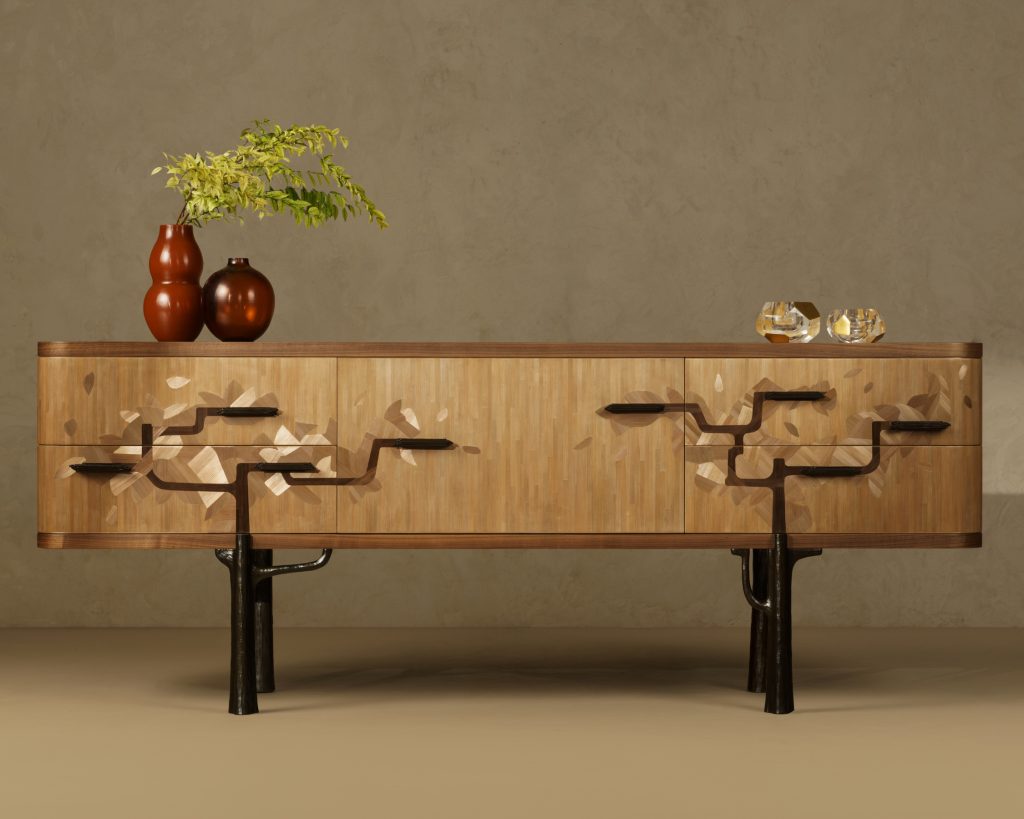
Alberto: I wanted it subtler here than in our previous, more openly asymmetrical Malabares collection. The credenza has matching drawers on either side, but the two supporting trees differ from one another. It’s asymmetry as movement, which matters a great deal in my work.
Alexander: People assume a repeated leg will be identical, until you point out it’s turned differently front to back. In the same way you’d never find two identical trees in a copse. That’s part of their natural beauty.
What do you hope people feel encountering the Arbor for the first time?
Alberto: I hope it awakens their own, usually nostalgic, feelings about trees, and draws them in to touch the craft. Physical contact is central to furniture design: a handle you operate, a surface that invites your hand.
Alexander: I’d love someone to walk into a room, see it, and simply think: what is that — that’s gorgeous. There’s an excellence of detail that is intended to draw people in and reward closer looking. Even the leaves scattered across the walnut top are easy to miss until someone points them out.
Alberto: Beauty is elusive in a way that “cool” isn’t. It moves you. That’s the whole point.
What about straw itself — why does it suit the piece so well?
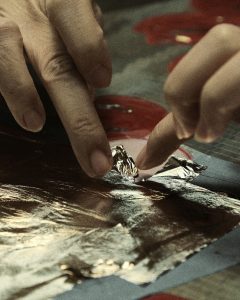
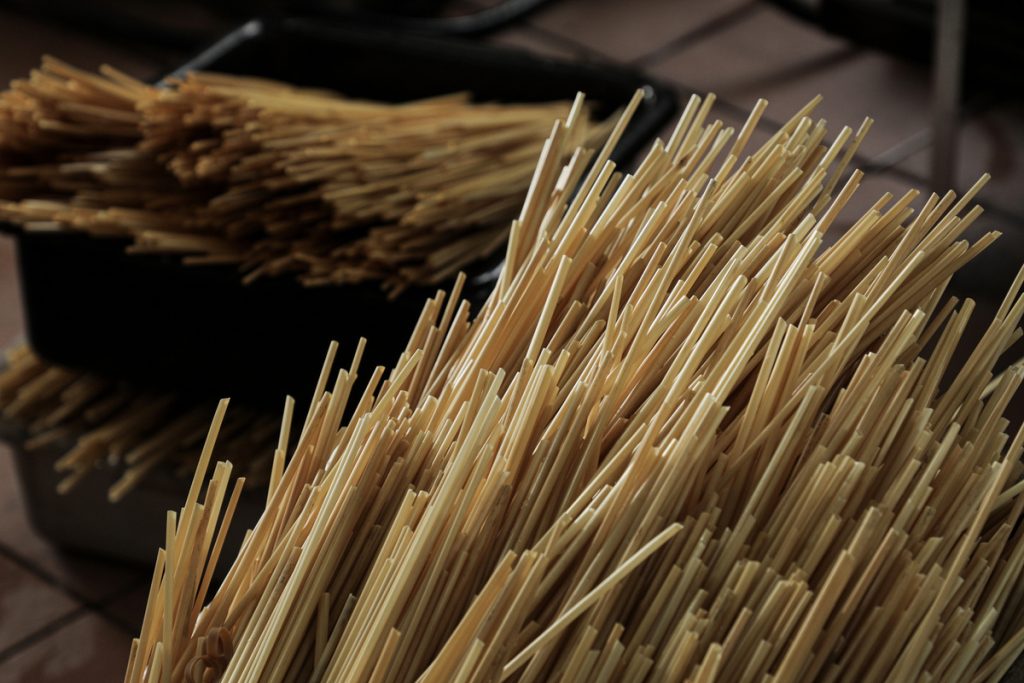
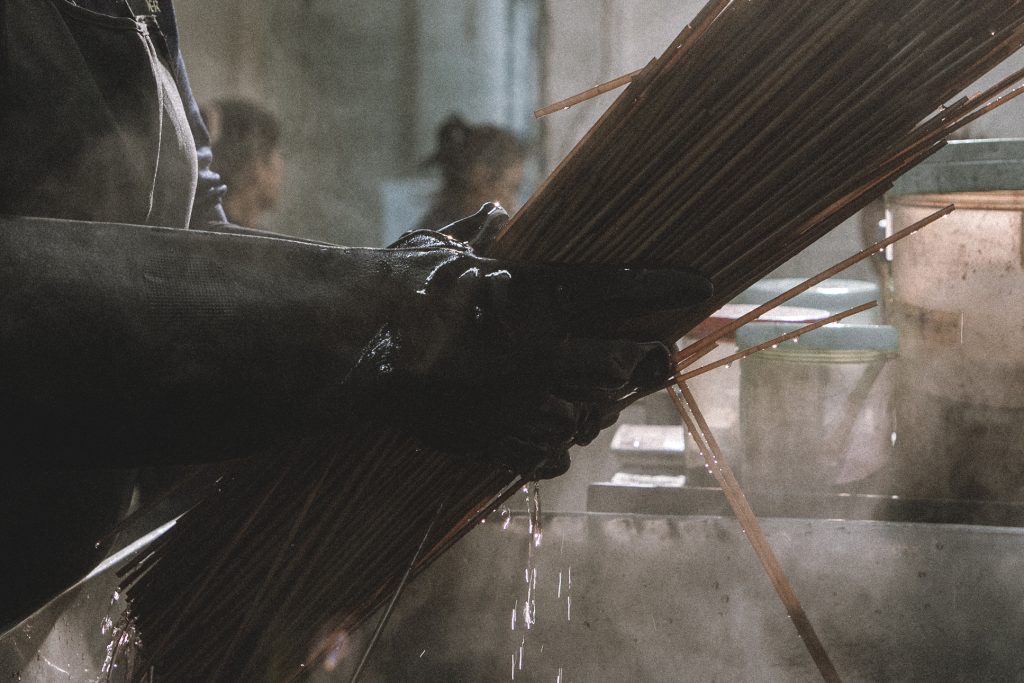
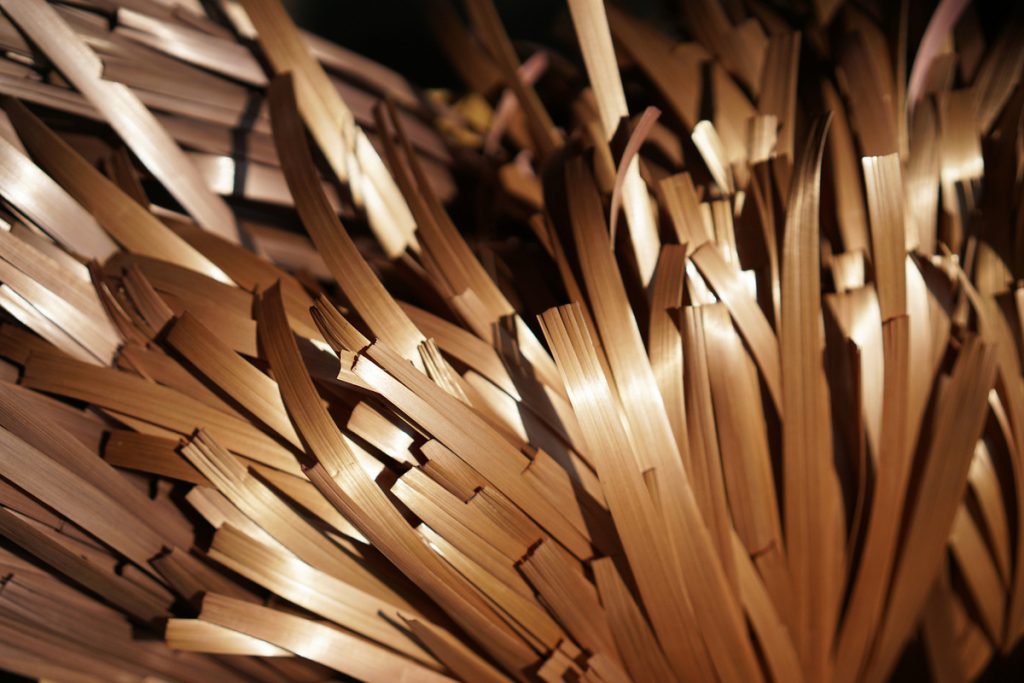
Alberto: I love its humility. It’s grass, essentially, nothing precious about the raw material. Its value comes entirely from the craft applied to it, which I find far more interesting than working with something already precious.
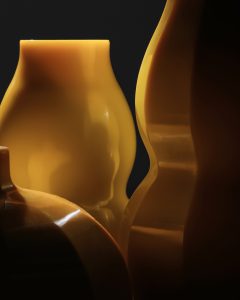
Alexander: And it will only grow richer. The straw will oxidise and burnish over decades, the bronze will patinate, use will add a human touch. In a hundred years this piece will be more beautiful than it is today, in ways we can’t predict.
Where does Arbor go from here?
Alberto: We’ve found another thread to pull. I can already see bigger and smaller cabinets, the legs finding their way into other pieces, a larger Arbor family taking shape.
Alexander: We were very pleased when the Arbor Credenza was shortlisted for a Createurs Design Award in Paris earlier this year. With that endorsement it’s definitely a design that’s worth articulating further in different directions – like the branches of a tree.
Author : Lauren Lamont