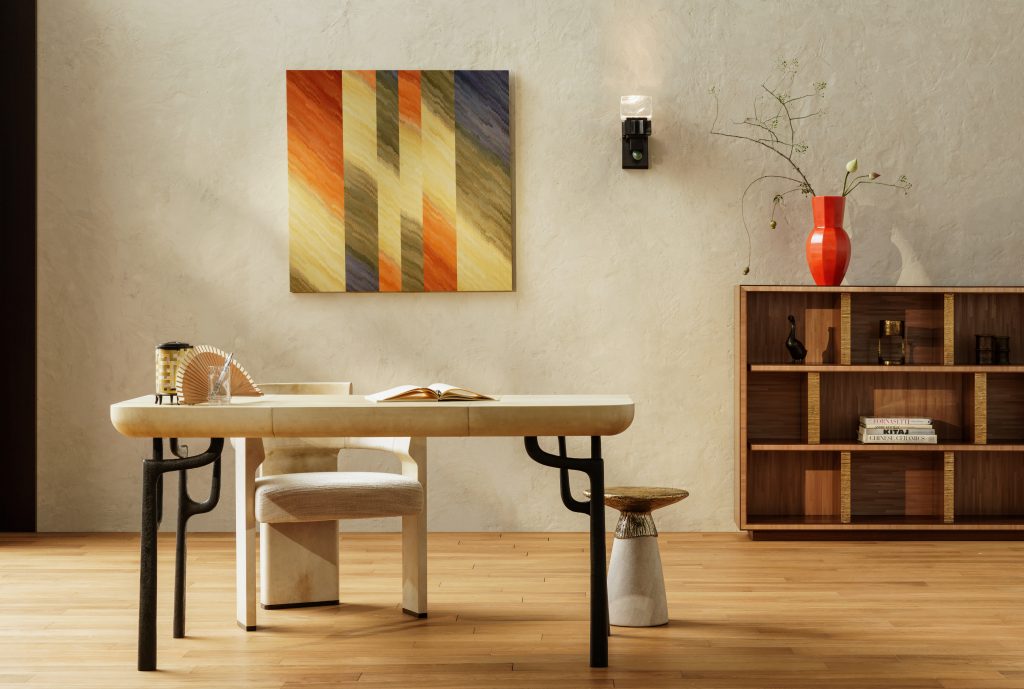
Across centuries and cultures, the figure of the scholar has been defined not only by intellect, but by environment. The spaces one inhabits – quiet, ordered, and intentional – have long been understood as essential to the cultivation of thought, discipline, and creativity. The Modern Scholar collection draws upon this enduring relationship between mind and material, reinterpreting it through a contemporary lens.
In late Ming Dynasty China, particularly in the culturally rich Jiangnan region, scholarship was both an aspiration and a social expectation, but it’s most enduring legacy was not it’s ambitions, but its interiors. The Ming scholars treated their studies as not just a means of class mobility and achievement, but as a vocation and a primary revelation of one’s spirit. To “close the door and study, calm so as to cultivate moral character, and frugal so as to cultivate virtue” was a philosophy, a way of life and a ritualistic practice.
This philosophy found its most tangible expression in the scholar’s studio, or wenfang – a space dedicated to study, reflection, and artistic practice. Within these interiors, objects were purposeful and woven into the important academic work that occurred in the spaces.
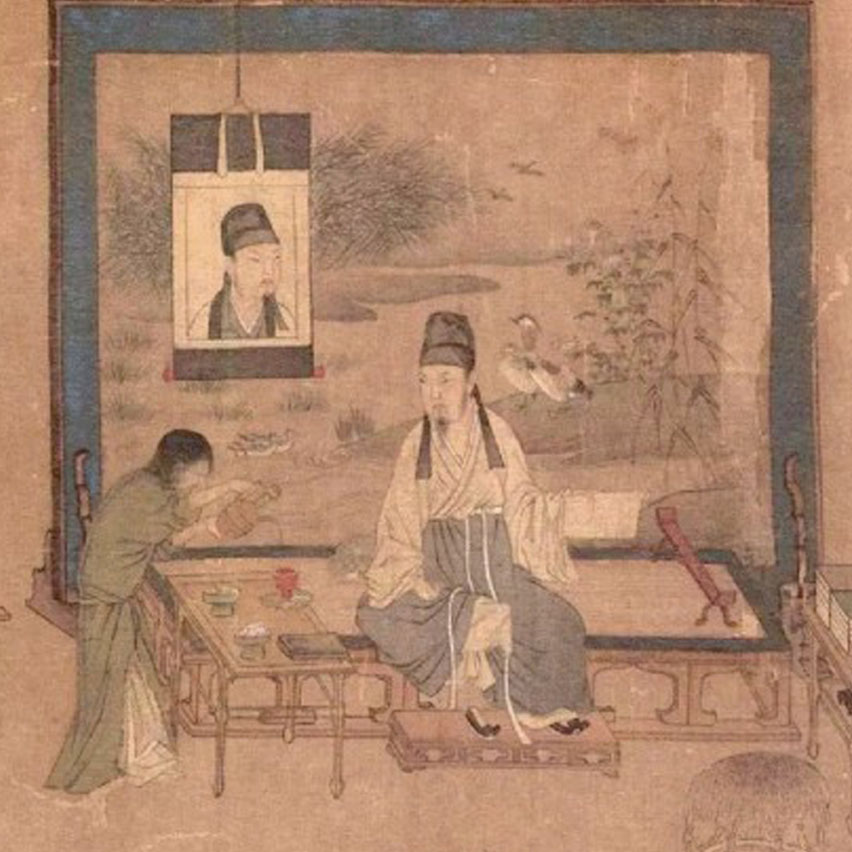
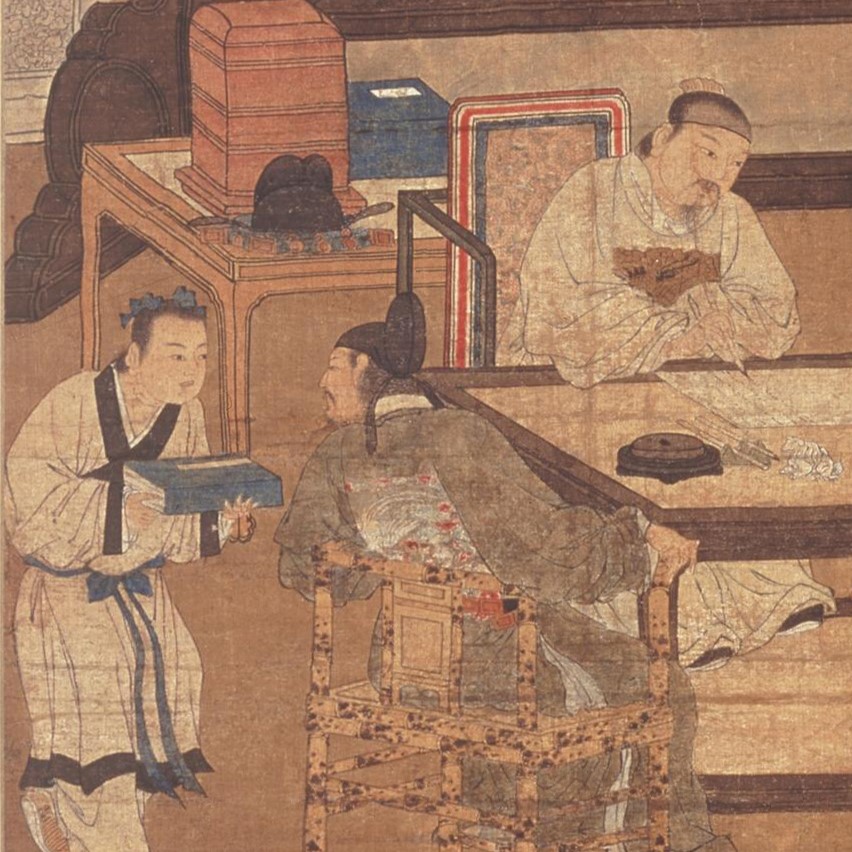
Historical paintings depict the Chinese scholar in the studio engaged in rituals of painting, writing, reading and tea ceremony.
The “Four Treasures” of the study – brush, ink, paper, and inkstone – were tools of both function and transformation, producing what were considered sacred art forms: poetry, calligraphy, and painting. Surrounding them were objects that signified that their daily study session was in flow: the perforated scholar’s rocks embodying nature in it’s most realized form, lacquerware that captured light and change, and natural materials that reflected a broader cosmological harmony.
The Edo period in Japan carried many of these principles forward. There was a reverence for nature as an expression of harmony and balance, and the spaces scholars composed for themselves reflected a continuity with the natural world rather than a departure from it. Materials were chosen for their longevity and the grace of their ageing ~ a means of harnessing something beyond the self. These are philosophies that Alexander Lamont has always practiced, in quiet conversation with their ancient origins.
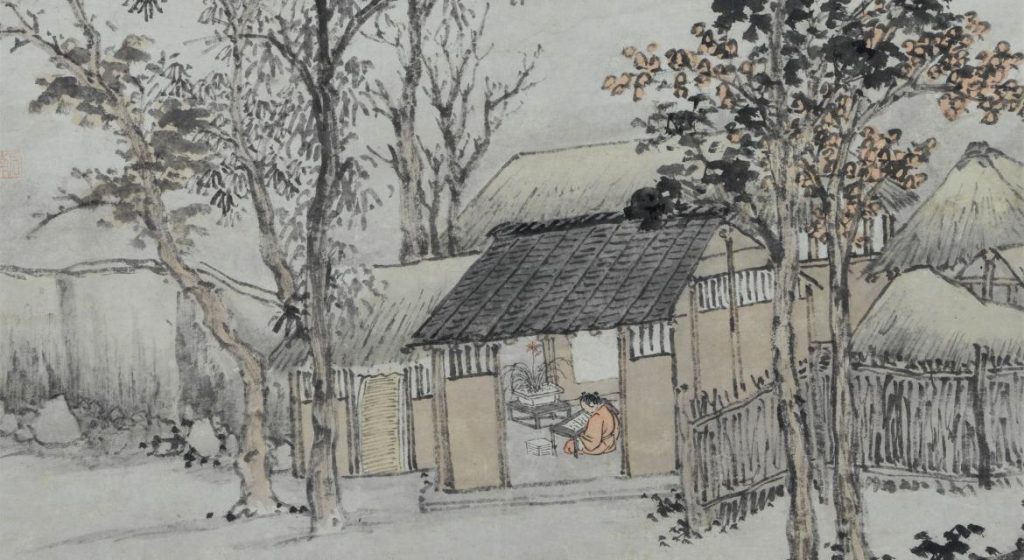
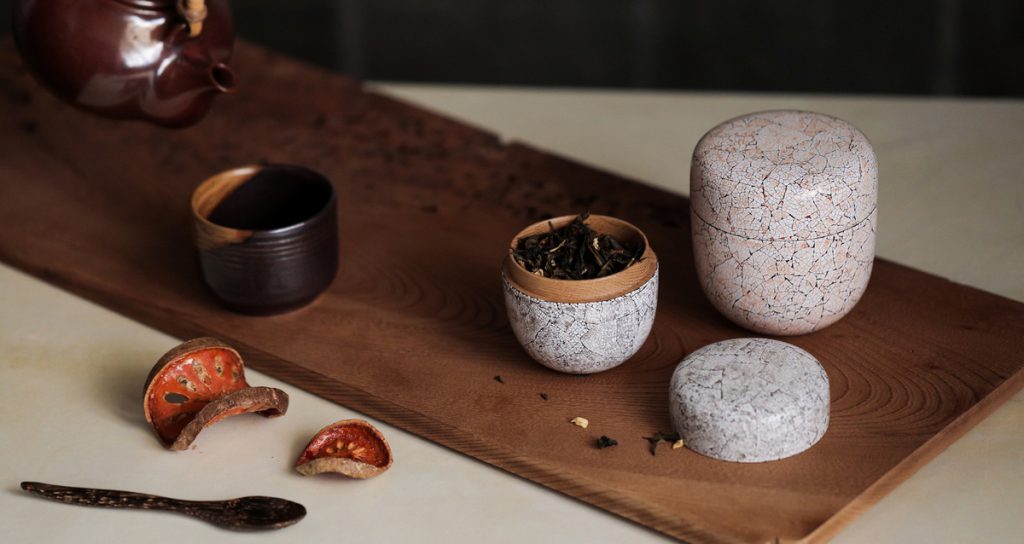
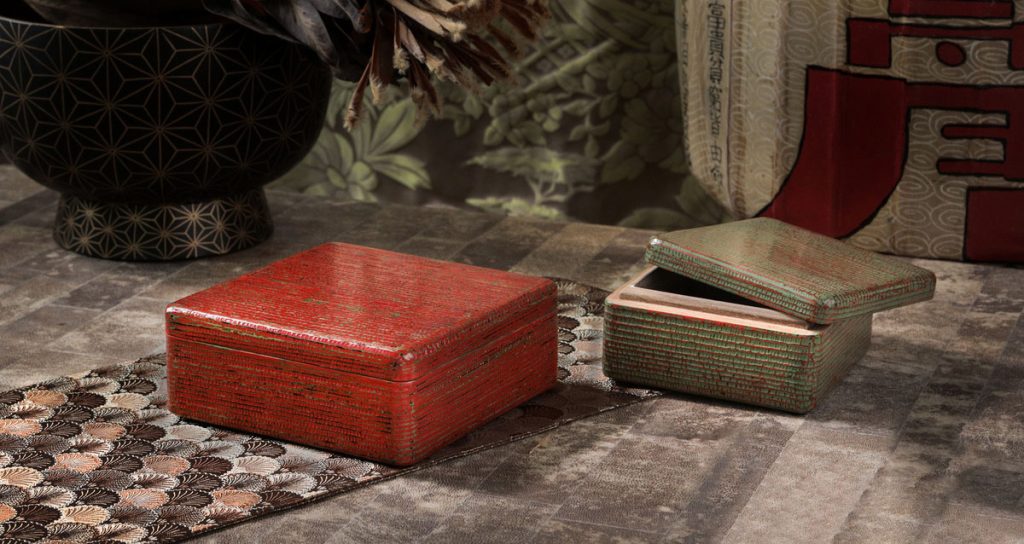
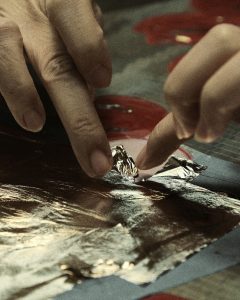
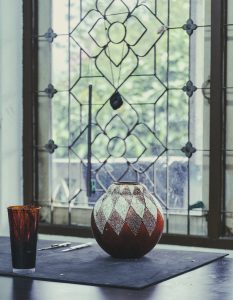
From Alexander Lamont’s Studio collection eggshell and lacquerware items are objects of ritual and meditation
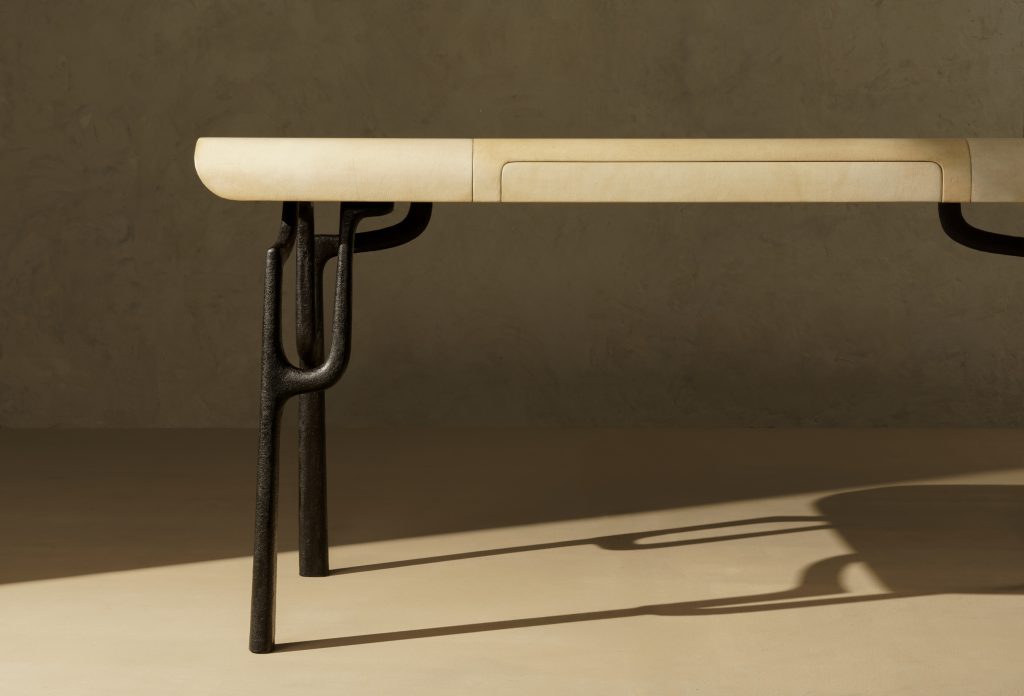
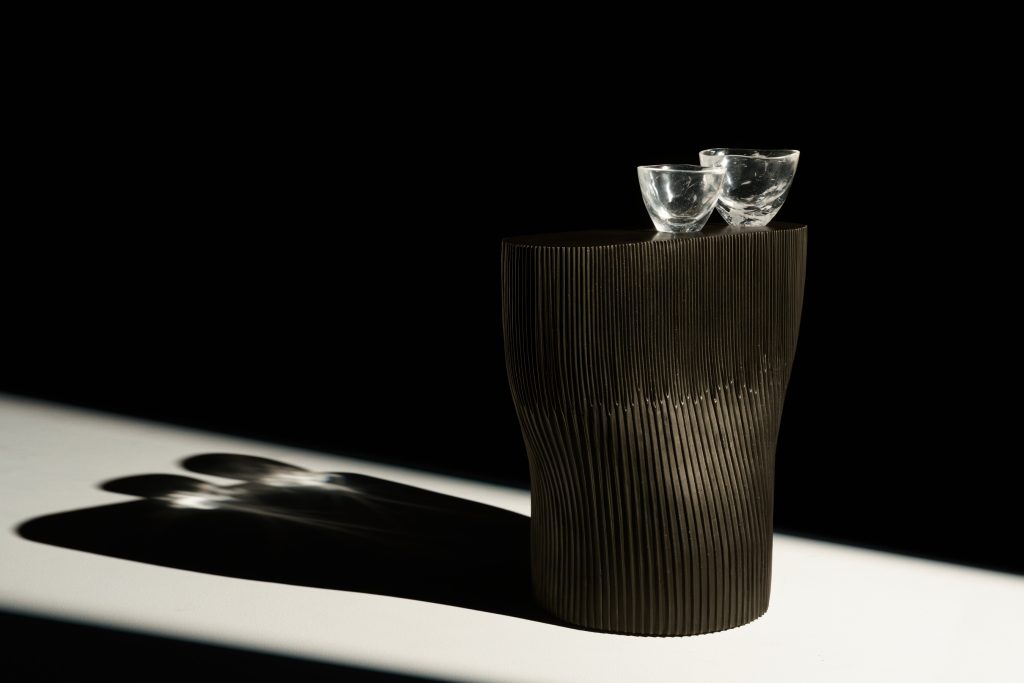
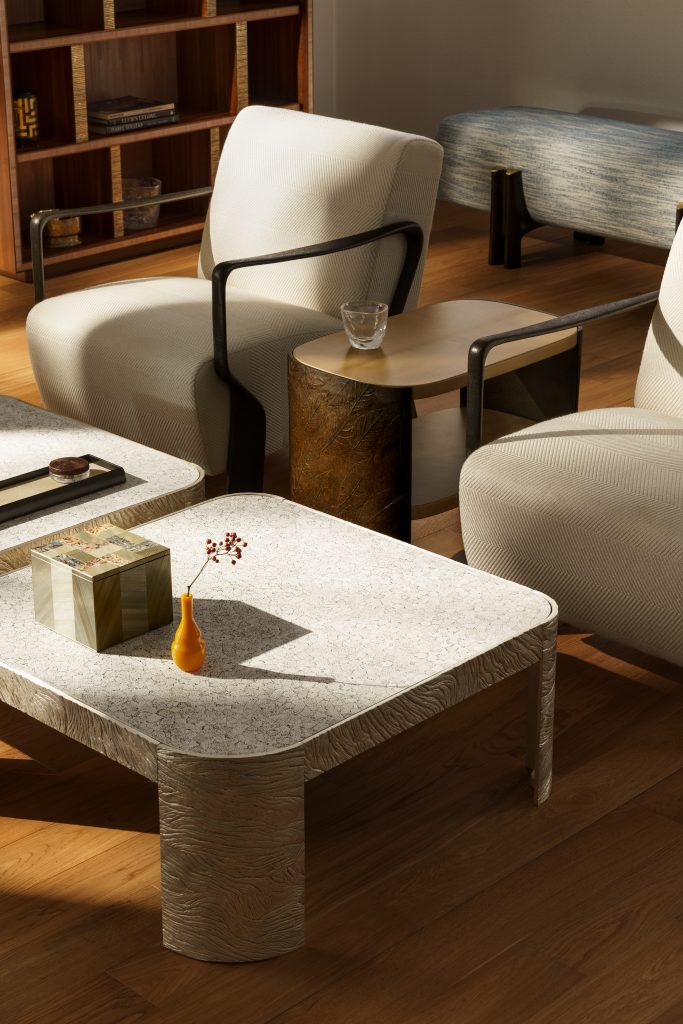
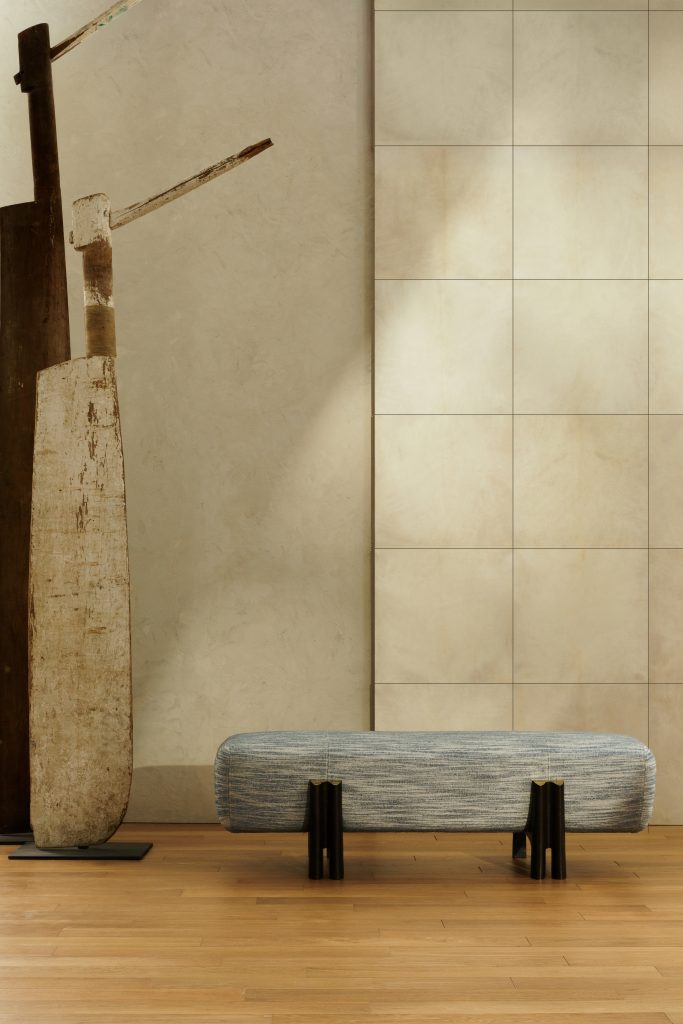
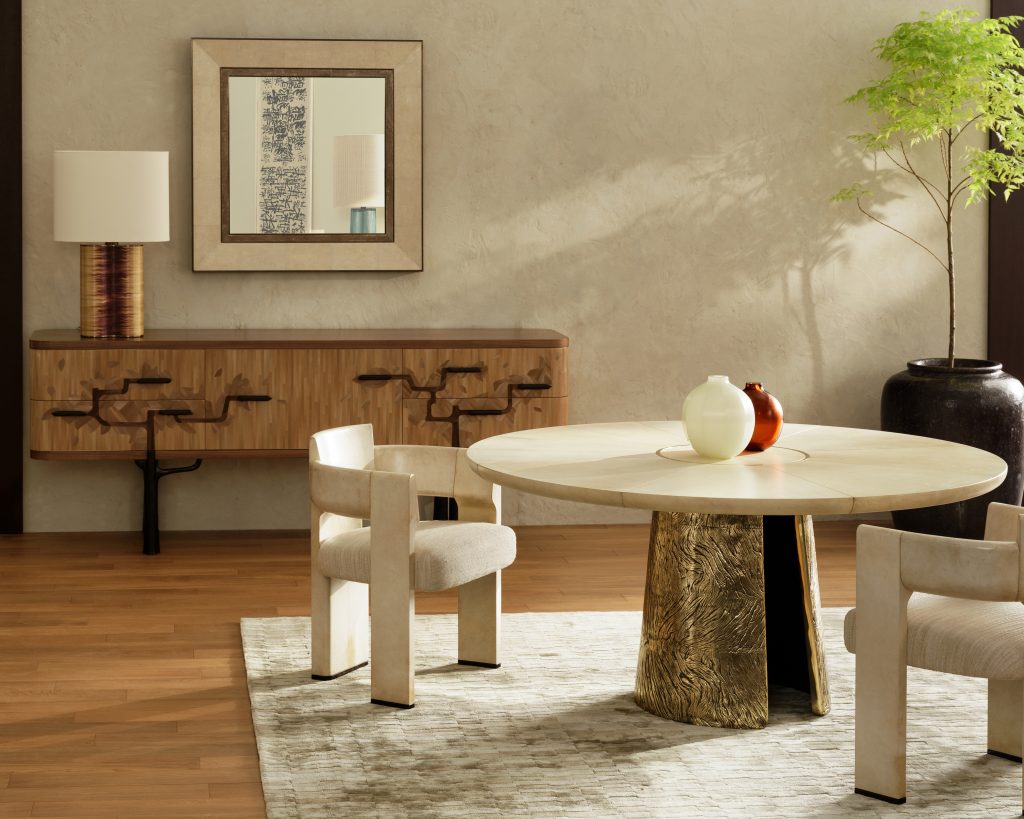
The Modern Scholar collection reinterprets this tradition without recreating it. Its forms are deliberately composed yet unforced – gentle curves echo the turning of a page, planes meet with the precision of a carved seal. Parchment, lacquer, shagreen, and bronze are not simply materials but carriers of atmosphere, inviting touch, slowing perception, and drawing organic textures from bark, branch, and mineral into the crafted interior. Each piece is designed to accompany daily rituals ~ writing, reading, thinking ~ while evolving through use, becoming a participant in the life of the mind rather than a passive adornment.
In an era defined by distraction and acceleration, the ideals of the scholar feel newly relevant. The Modern Scholar collection does not propose a retreat from the contemporary world, but a recalibration of how we inhabit it, asking what it means to create space for thought today, and how objects can conjure reflection, creativity, and a connection to the natural world that surrounds and sustains us.
It is a meditation on presence: on what we choose to surround ourselves with, and how we live alongside those things. The Modern Scholar pieces, handcrafted in our Bangkok workshops, are made to hold that question open ~ beautiful, considered objects for a life lived with intention
Author : Lauren Lamont